Describe what your furnace is doing once, in one form.
A furnace that won't start on a cold night in Ohio is not something to sit with. Gas heat is what most homes here run on, and when it quits, the house starts losing ground fast.
The cause is usually one of a short list of things. A dead thermostat battery. A flame sensor that needs cleaning. An igniter that has failed. A pressure switch or a safety switch tripped somewhere in the sequence. Some of these a homeowner can check. Most need a licensed technician with a meter and the right parts on the truck.
Finding that technician is normally its own chore. You'd be searching contractor sites, calling two or three, explaining the same symptoms each time, waiting on callbacks, then trying to compare quotes from companies you know nothing about. On a night when the house is dropping toward 50, that process costs you the one thing you don't have, which is time.
This page skips that part. You describe what your furnace is doing, and the request goes to one licensed contractor near you in Ohio, someone who works on furnaces all winter and has seen this failure before, probably this week. Not a list of five companies competing for the job and blowing up your phone. One contractor, matched to you.
Electricity here isn't cheap, so running space heaters to get through until someone can look at the furnace adds up fast. The faster this gets to the right person, the less of that you have to do.
The rest of this page walks through what actually stops a furnace from firing, the parts most likely at fault, and what you can rule out yourself before anyone comes out. When you're ready, the request takes a couple of minutes, and it goes to someone positioned to actually get your heat back on.
Most of the time, a furnace that won't fire is stuck on one of a few points. The igniter can fail after years of heating cycles and just won't glow hot enough to light the gas. The flame sensor can get a film of residue on it and tell the control board there's no flame even when there is, so the system shuts itself down as a safety measure. The pressure switch can fail to click if the inducer motor isn't pulling enough air, especially if the vent pipe outside has gotten blocked with snow or ice, which happens often in Ohio winters. A clogged filter can choke airflow enough that the furnace overheats and trips off before it ever warms the house. Some of these you can check yourself, a thermostat on the wrong setting or a breaker that tripped. Others need someone to open the furnace and test the part. Either way, a furnace that won't start on a night this cold isn't something to leave until morning.
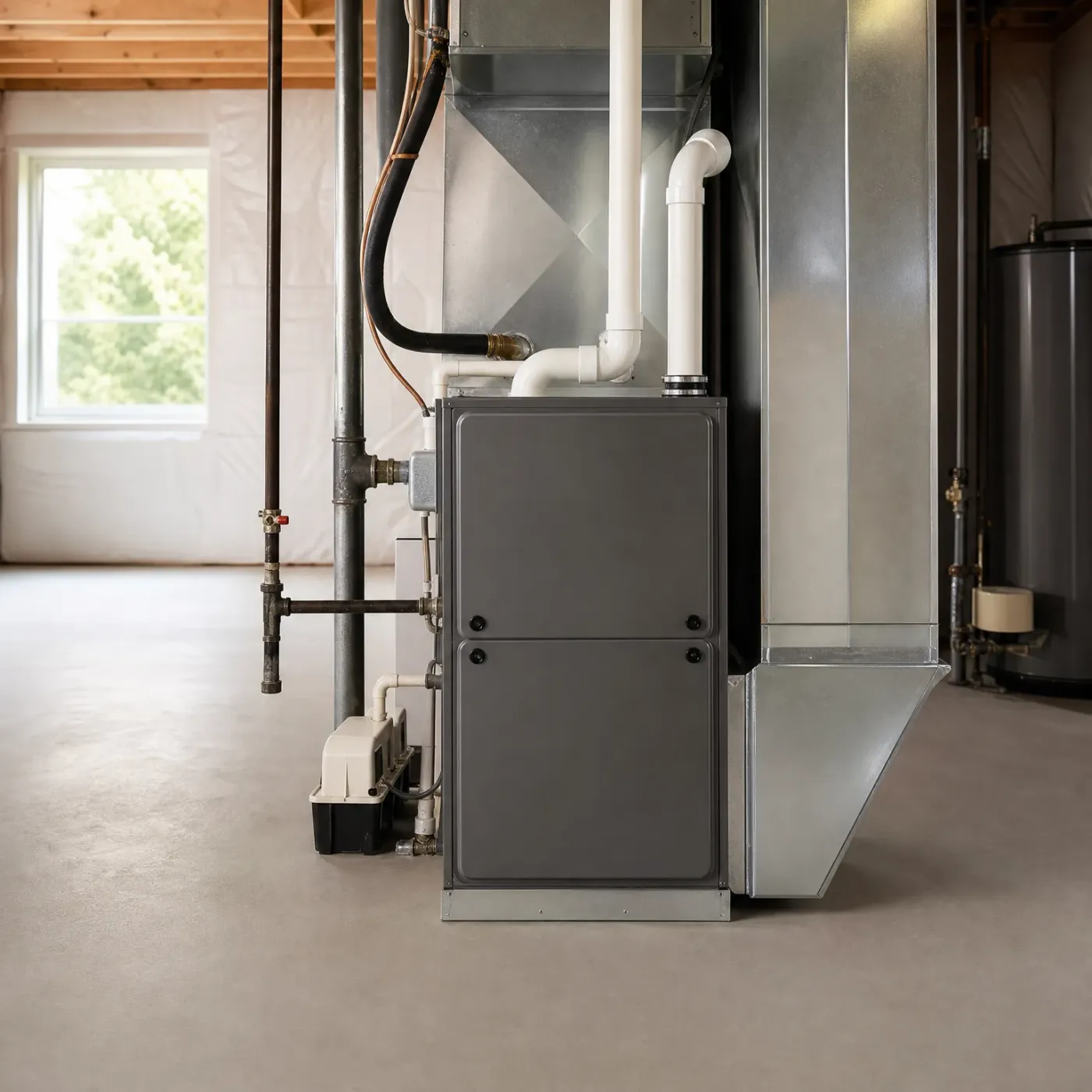
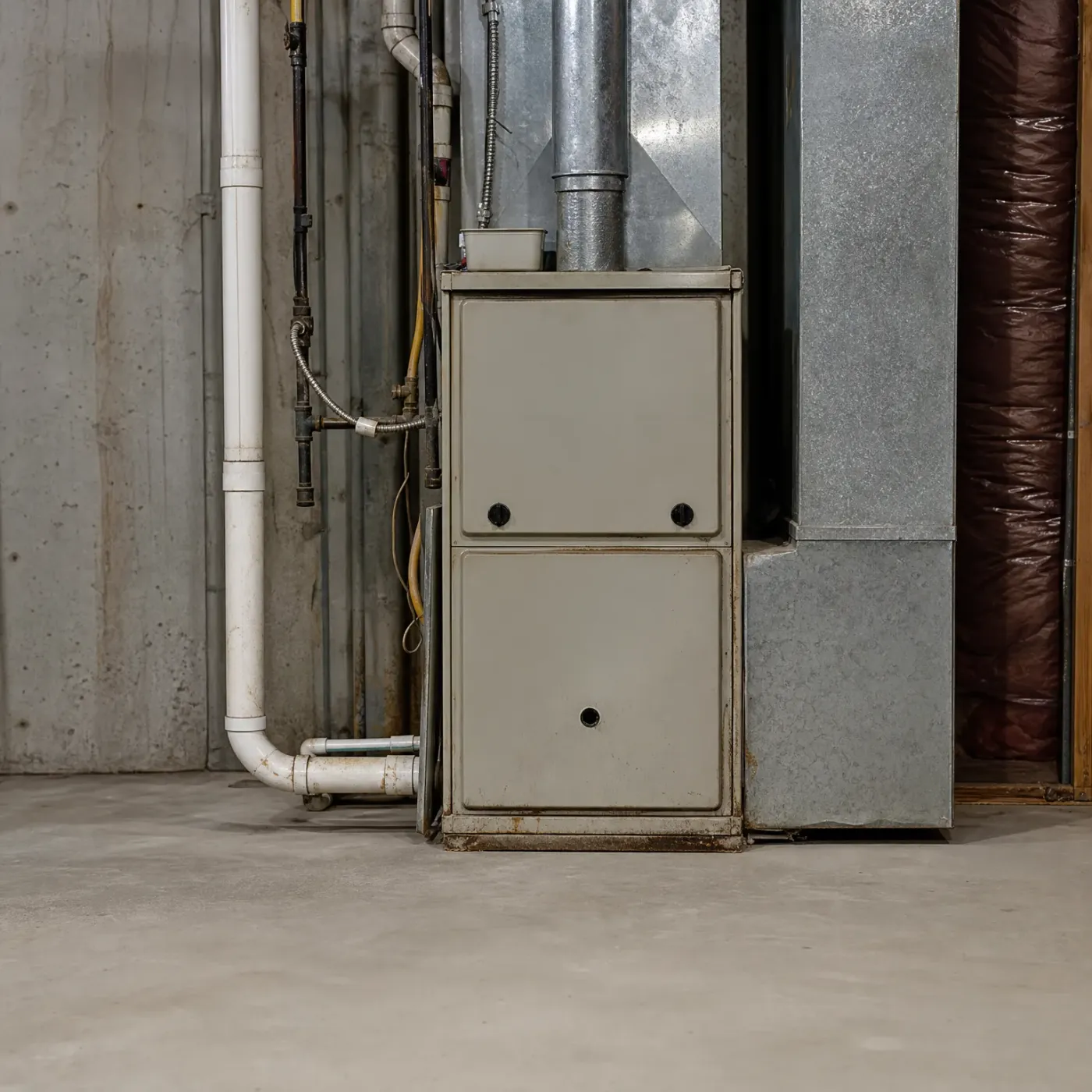
Running the way it should
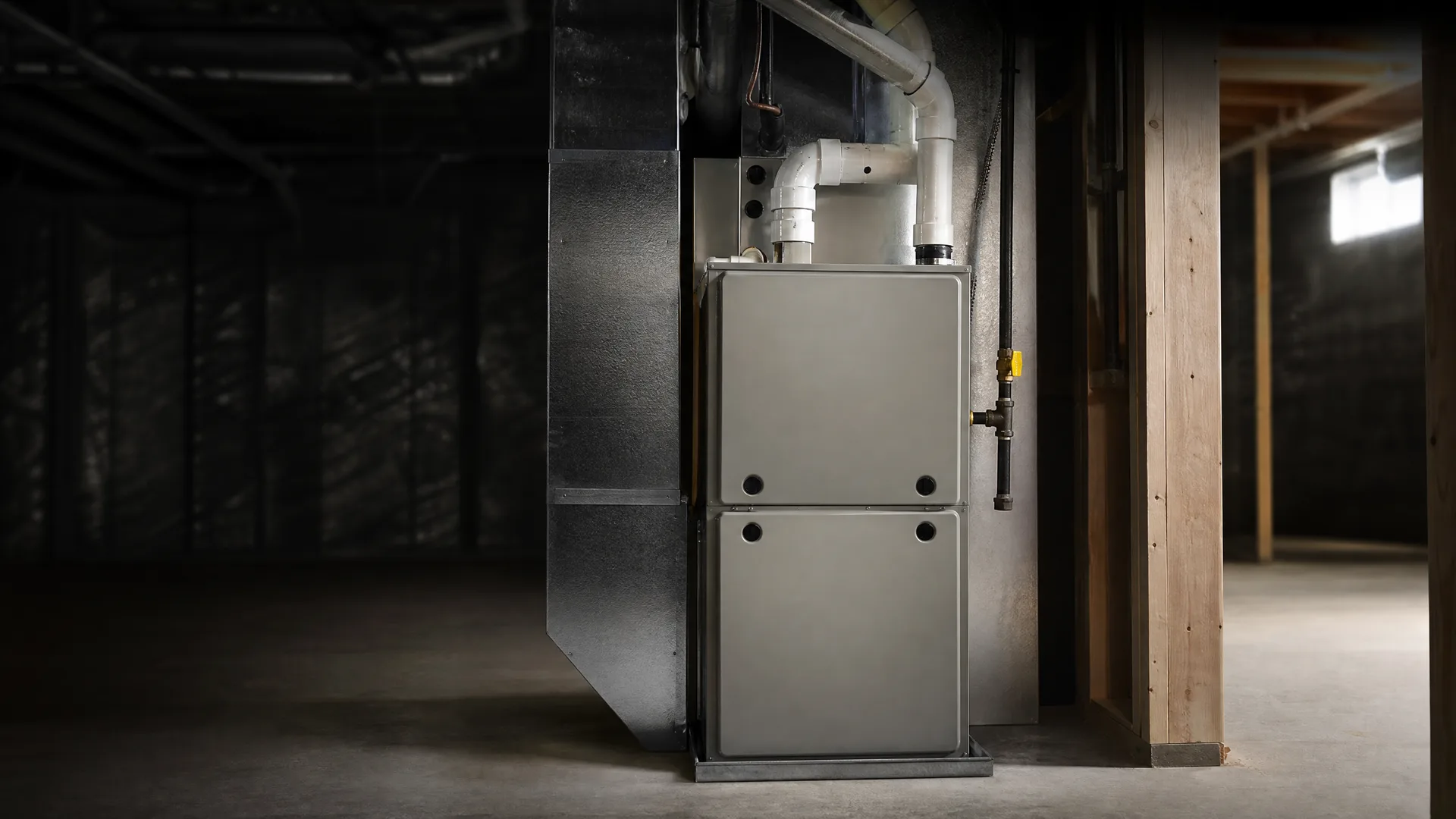
This is a furnace doing its job. Air moves through the sheet-metal ductwork overhead, the condensate line drains to the pump, and the burners light on the first call for heat. No smell of gas, no delay before the blower kicks on.
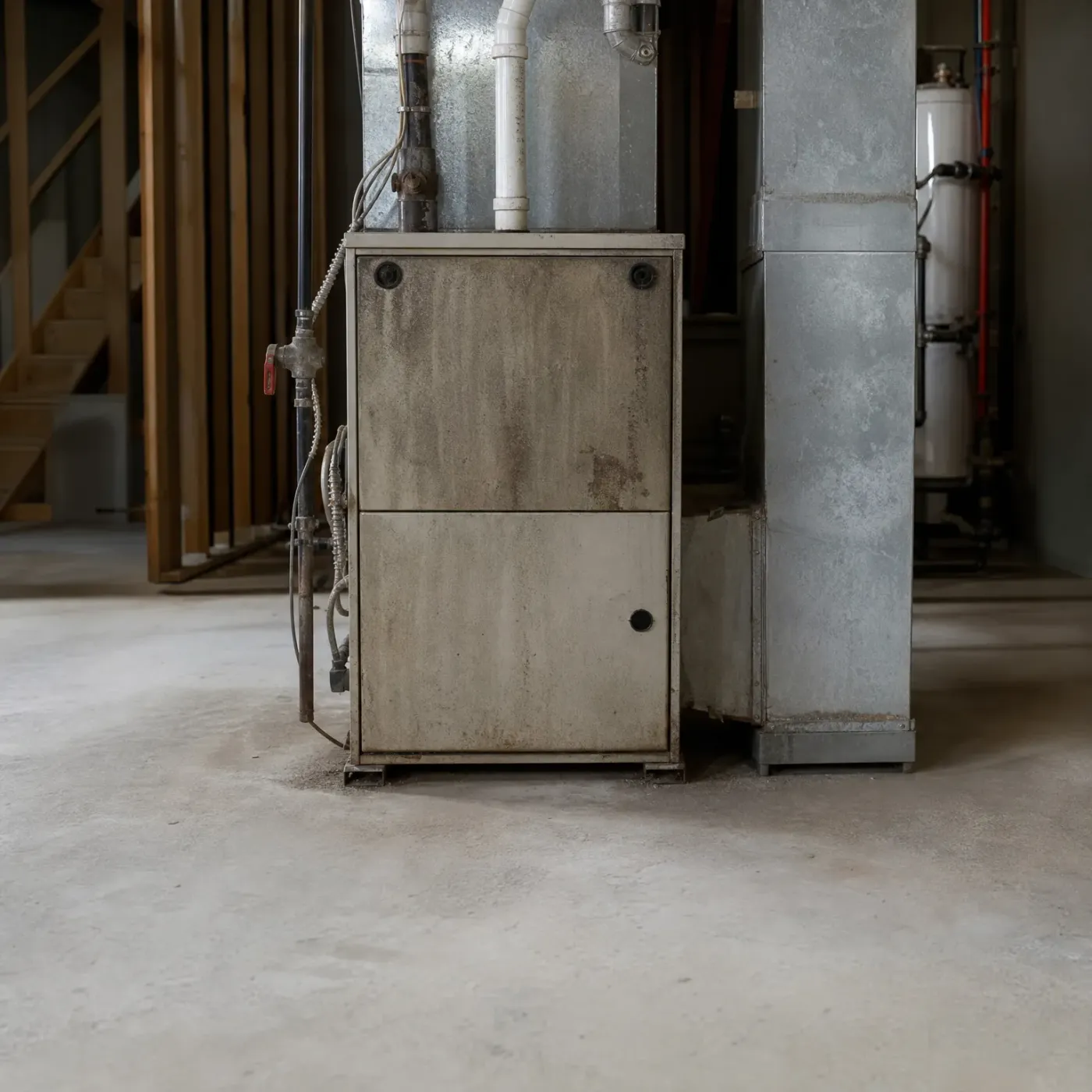
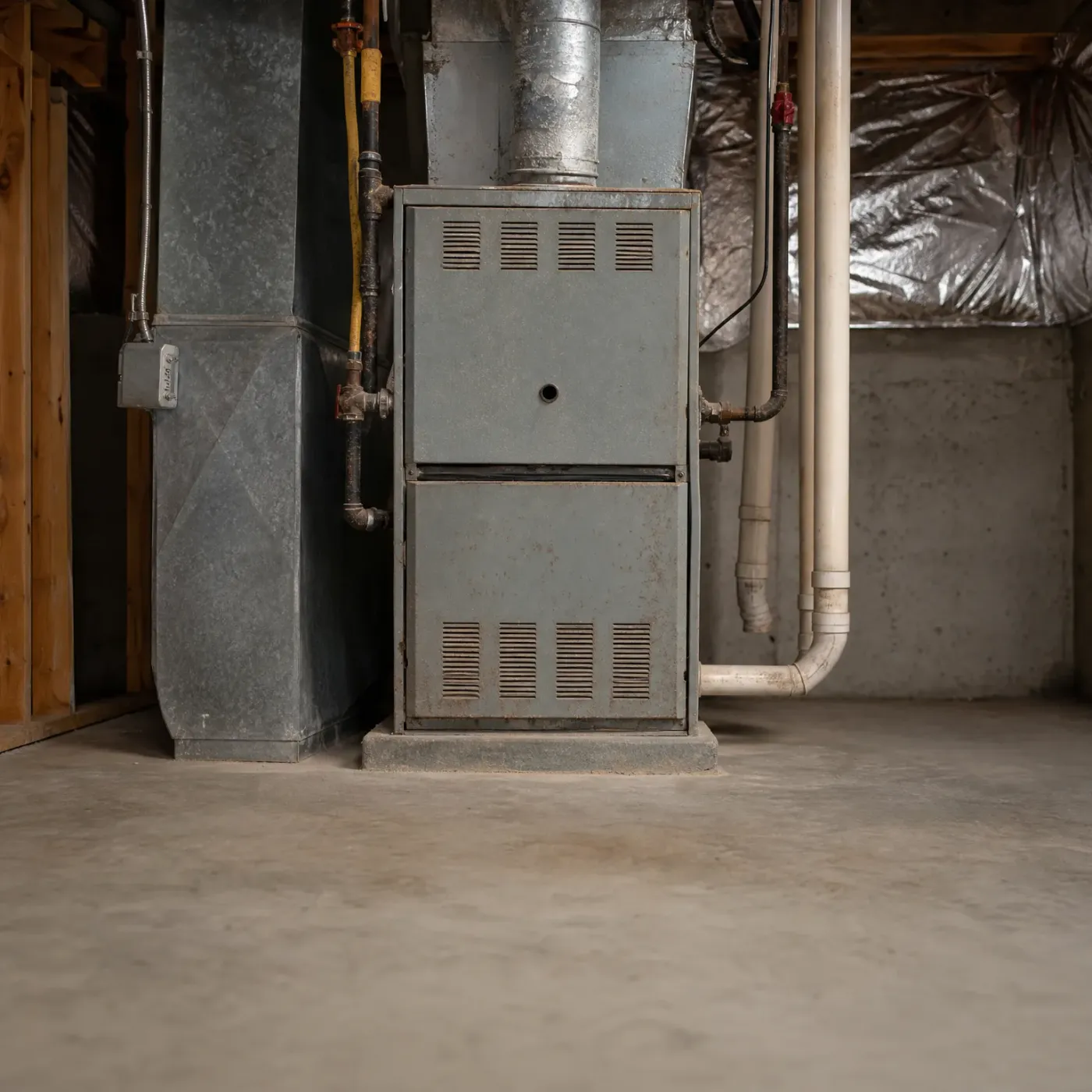
Running on borrowed time
Dust built up like this usually means the furnace hasn't had a filter changed or a tune-up in a while. The flexible gas line and aging cabinet here are the kind of thing a tech checks before the unit ever fails outright, not after.
What are you noticing right now in your house
You bump the thermostat up and nothing happens, or the blower runs but no warm air comes out of the vents. Maybe you hear a click or two, then silence, no flame. Maybe there's a faint smell of gas near the furnace, or the smell of something burning dust in the first minutes it does run. The house feels colder room to room than it should, and whoever's home is reaching for another blanket or layer. If this drags on, pipes that run along outside walls are what you'd want to keep an eye on once the house drops into the 40s.
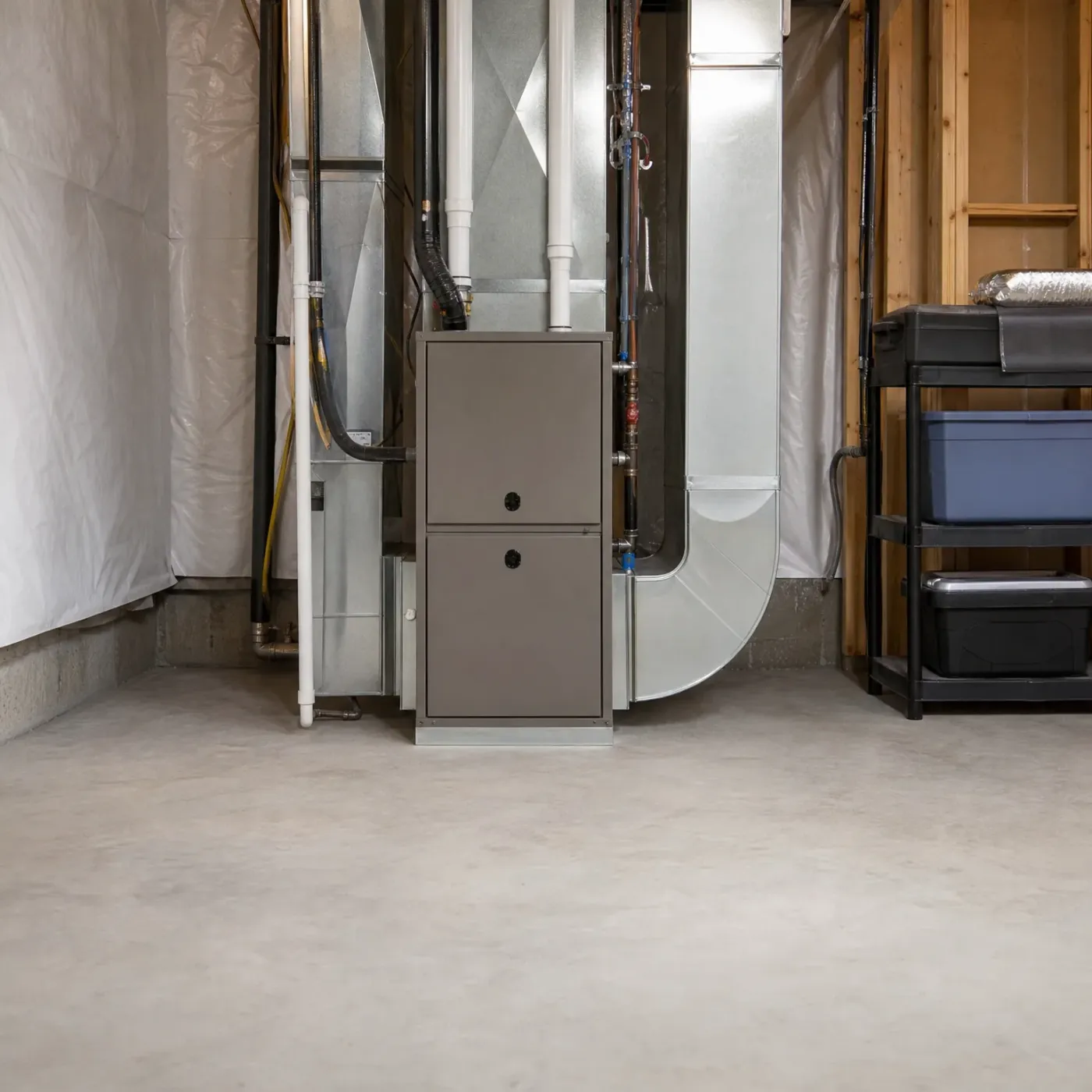
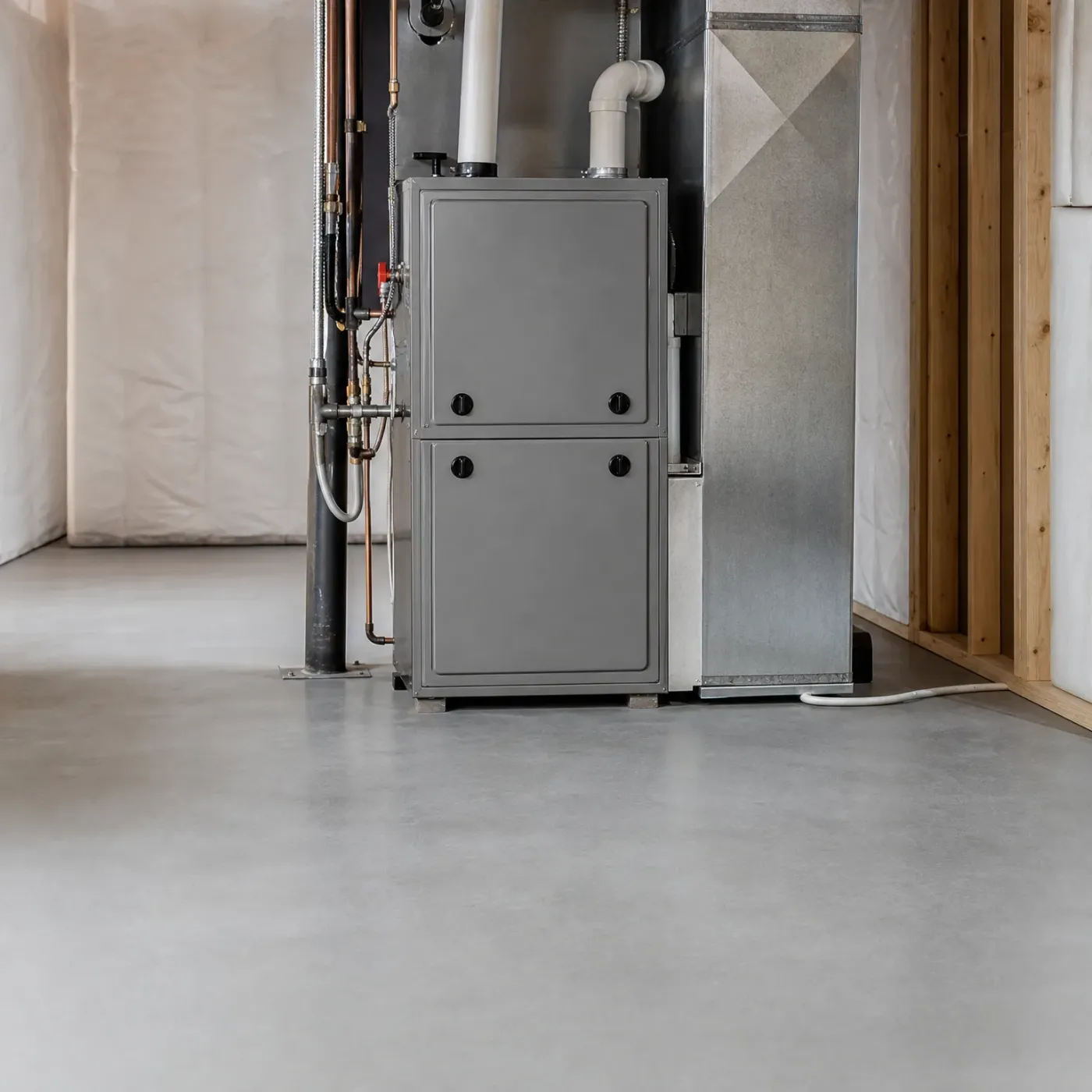
A furnace holding steady
This furnace sits clean and intact, with no rust on the cabinet. The gas line and condensate piping run tight to the unit, and the ductwork overhead carries the air it makes without a fight. A furnace built and kept like this starts when you ask it to.
A furnace on borrowed time
Surface rust has worked across the cabinet panels, inside and out, on a unit that has been sitting on that pad a long time. The louvered vents and the gas line still look the part, but rust on a furnace cabinet usually means the parts behind it have logged just as many winters.
Call for Repair or Wait It Out
Call for repair
A no-heat call in Ohio in January gets worked the same day in most cases, since a furnace down in that kind of cold isn't something to leave for later.
A local contractor who services furnaces all winter has likely seen your exact symptom before, whether it's a furnace that clicks and won't light or one blowing cold air.
You explain the problem once, to the one contractor who shows up, instead of repeating it on the phone to several companies while you compare quotes.
Diagnosis usually narrows to a short list of parts, the igniter, the flame sensor, the control board, and the fix addresses whichever one is actually bad.
Gas furnace repairs restore the setup you already have, so you keep the lower running cost of gas heat instead of leaning on electric space heaters, which cost more to run with power priced the way it is here.
Wait it out
A furnace that won't fire rarely fixes itself, and leaving it overnight means another night of the house losing heat.
Space heaters can cover a room or two, but they run on electricity, and electric heat costs more here than gas does.
A furnace that's cycling off on a safety switch or tripping its limit repeatedly can be a sign of a problem that gets worse the longer it runs that way.
If the smell of gas is part of what you're noticing, waiting is not a reasonable option at all.
Cold snaps in Ohio can drop a house's temperature fast once the furnace is down, and pipes left without heat for long enough are a separate risk on top of the discomfort.
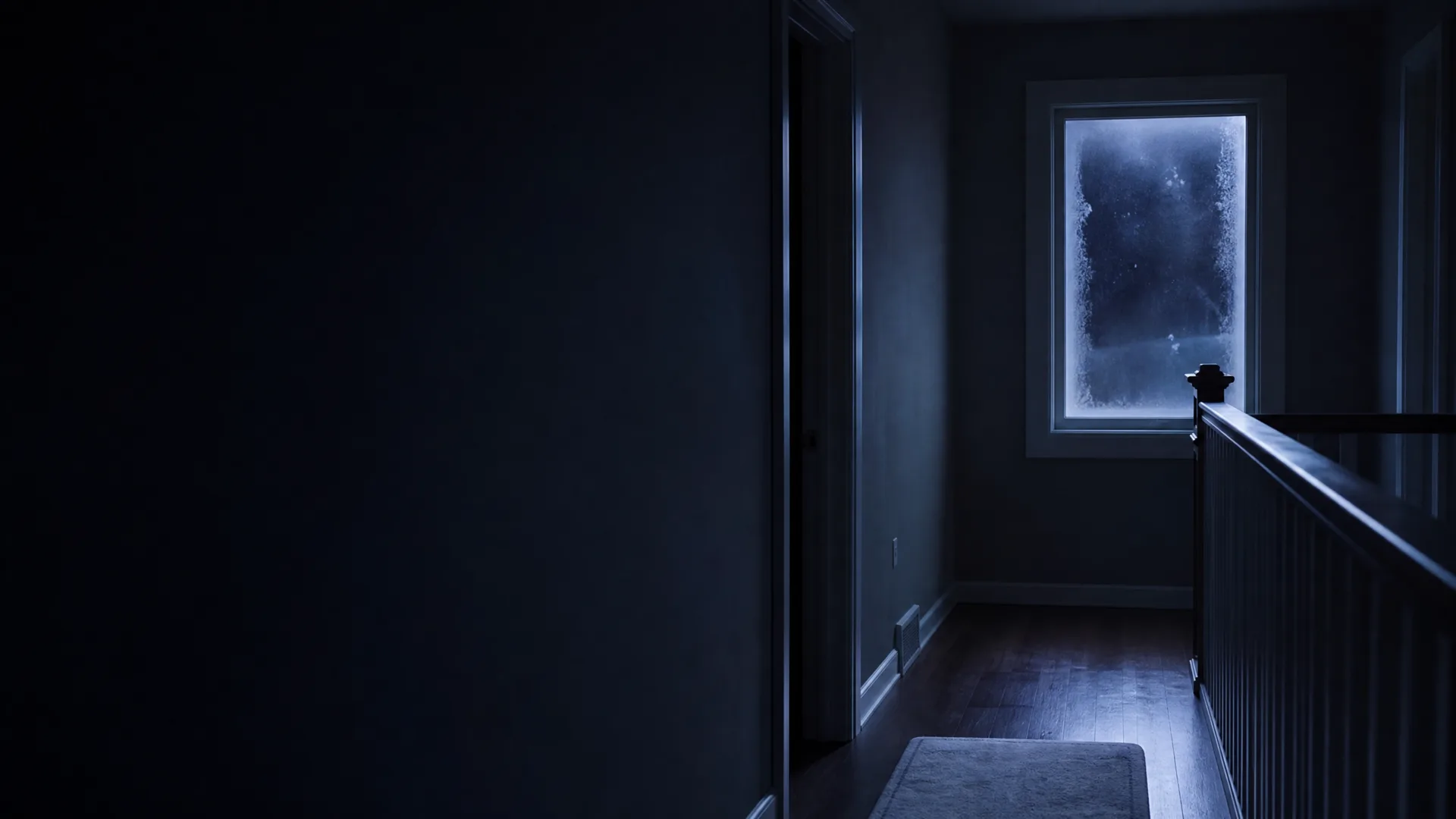
You wake up at two in the morning because the house feels wrong before you know why. The hallway floor is cold under your feet. You stand by the vent and hear nothing, no air moving at all. Frost has crept along the edges of the upstairs window, and the only light is the dim blue cast off the nightlight down the hall. You check on the kids, pull another blanket over the bed, and stand there a second longer listening for the furnace to kick on. It doesn't. Somewhere below you the house has already started cooling, degree by degree, and nobody else is awake yet to know it.
A furnace down on a cold night doesn't leave you much time to shop around. You could start calling the names you find online, waiting on hold, explaining the clicking sound or the gas smell to one dispatcher after another, then doing it again for the next quote. That's hours you don't have when the house is dropping degrees by the hour. Send the request here instead and it goes to one contractor, local to Ohio, who works on furnaces all winter and has likely seen this exact fault pattern before, the igniter that won't glow, the sensor reading dirty, the pressure switch stuck open. No pile of callbacks from five different companies, just the one who's already familiar with what tends to go wrong in a furnace like yours. You still have a cold house tonight. This part, at least, doesn't have to take all night too.
What the limit switch controls
Every gas furnace has a limit switch that checks the temperature inside the plenum before it lets the burners stay lit. If airflow across the heat exchanger is too low, the plenum gets hotter than the switch allows, and it shuts the burners off to keep the exchanger from cracking. A clogged filter, a closed vent, or a blower that isn't moving enough air can all trigger it. This is the furnace protecting itself, not failing at random. Some units lock out after repeated trips and need the control board reset before they'll fire again.
Why a dirty flame sensor reads as no power
The flame sensor is a thin metal rod that sits in the burner flame and sends a tiny electrical signal back to the control board, confirming gas is actually burning. A film of carbon or oxidation on the rod weakens that signal until the board can't read it at all. The board responds the same way it would to no flame: it cuts the gas valve and stops trying. From the thermostat, that looks identical to an electrical fault, even though the burners lit for a second before shutting down. It's one reason two different problems can produce the exact same cold house.
Before you get your furnace repairAfter you get your furnace repair
Winter nights here average 23°F across the state, per NOAA climate data. That's cold enough that your furnace is running long stretches to hold the house, not just short bursts in the morning and evening. The burners cycle more, the igniter and flame sensor get worked harder, and anything already marginal in the system has less room to fail quietly. At 23 degrees outside, a furnace that won't light doesn't give you much cushion. Indoor temperatures drop fast once the blower stops moving warm air, and you'll likely feel it within the hour, starting in the rooms farthest from the furnace itself.
NOAA nClimDiv 1991-2020 county normals weighted by homes
Waiting on a fix you have to chase down
Calling a few places, explaining the clicking sound and the gas smell each time, then sitting with different quotes and trying to tell them apart.
At 23°F, your furnace isn't just kicking on in the morning and shutting off by nine. It's holding that temperature against the cold most of the night, every night, for weeks straight. That kind of run time is what wears down an igniter or a flame sensor years before it would otherwise quit.
NOAA nClimDiv 1991-2020 county normals weighted by homes
A furnace that won't light has a reason, and it can be found
A furnace that won't turn on almost always comes down to one part: the igniter, the flame sensor, the limit switch, or the gas supply itself. None of those are mysteries to a contractor who works on furnaces all winter in Ohio. They've seen the clicking, the gas smell, the blower running cold, more times than you have, and they know where to look first.
What you're left with is a choice about how to spend the next hour. You can start calling around, describing the same symptoms to a different voice each time and waiting to see who calls back first, or you can put it in front of one local contractor who takes it from there. Either way the house needs its heat back. One of those paths gets you there without you doing the legwork of finding who's reliable.