Ohio Furnace Pros

Why your furnace is blowing cold air in Ohio

Step 1 of 3: Equipment

Why is my furnace blowing cold air?

Cold air coming out of the vents when the furnace kicks on is unsettling, especially on a January night in Ohio when you need the heat to actually work. Before you assume the whole system is dying, it helps to know that a furnace blows cold air for a few specific reasons, and some of them aren't an emergency. Others mean the furnace needs a technician before it runs again.

It's warming up, the thermostat fan is set to "on", or the igniter failed

A furnace runs air through the ducts for a short stretch before the burners light, so a minute or so of cool air at the start of a cycle is normal. If the air stays cold the whole time, check the thermostat fan setting. Set to "on," the blower runs constantly, even between heating cycles, pushing room-temperature air that feels cold against your skin. If the fan is set to "auto" and you're still getting cold air, something has stopped the burners from lighting, often a failed igniter or a flame sensor that can't detect a flame. With gas heat common across Ohio and electricity costing what it does here, a furnace that runs without heating wastes money fast and is worth having checked before the next cold stretch.

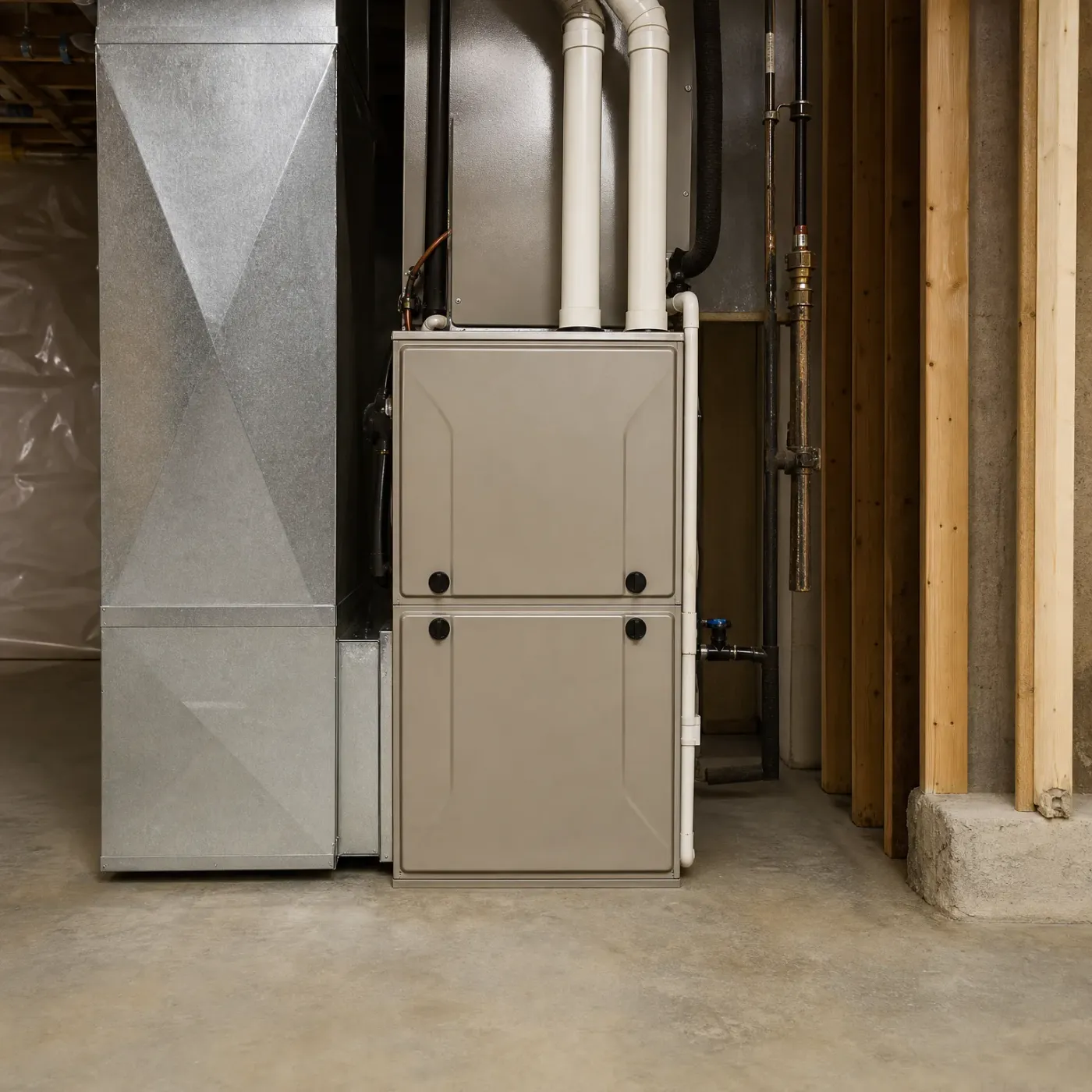
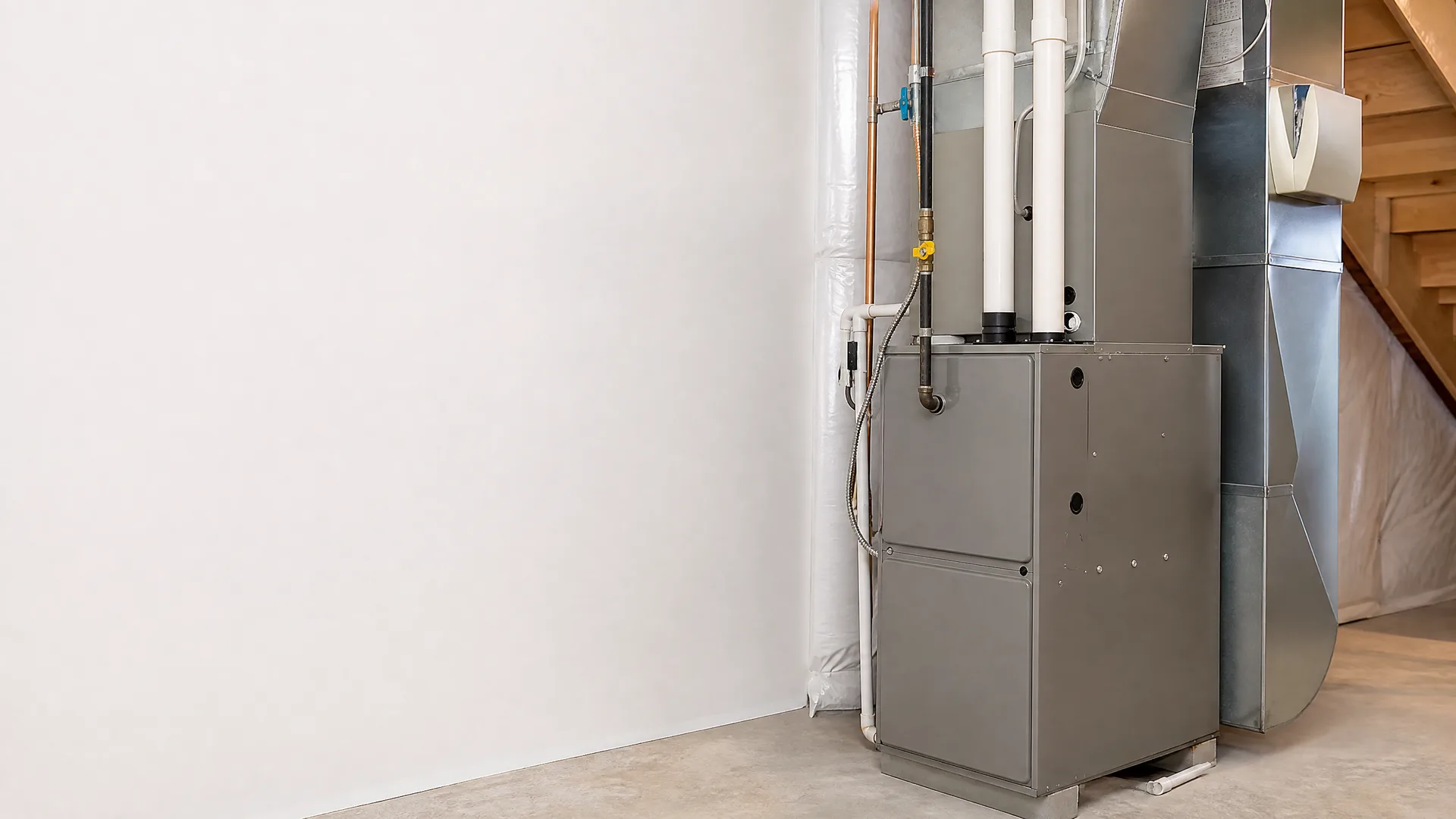
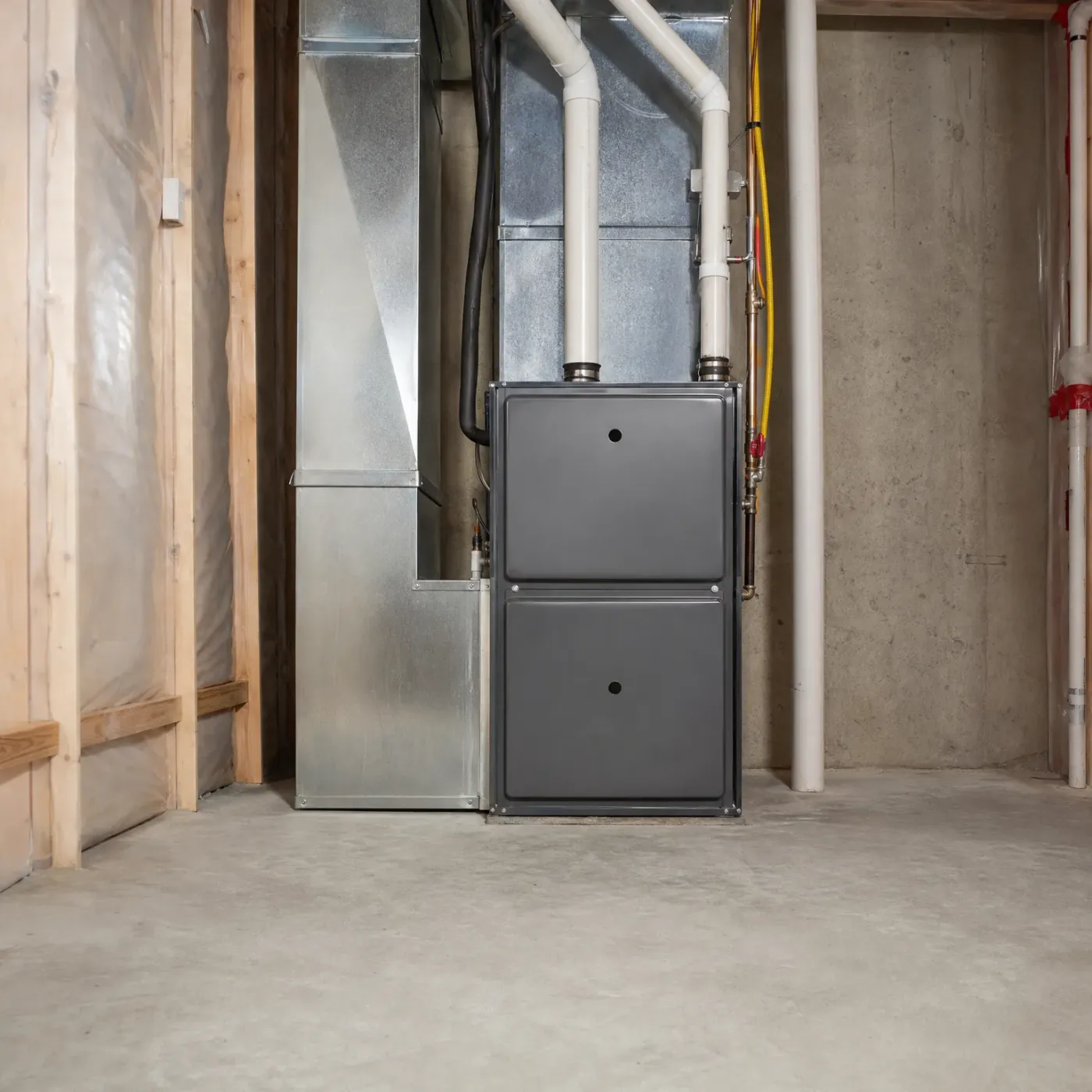
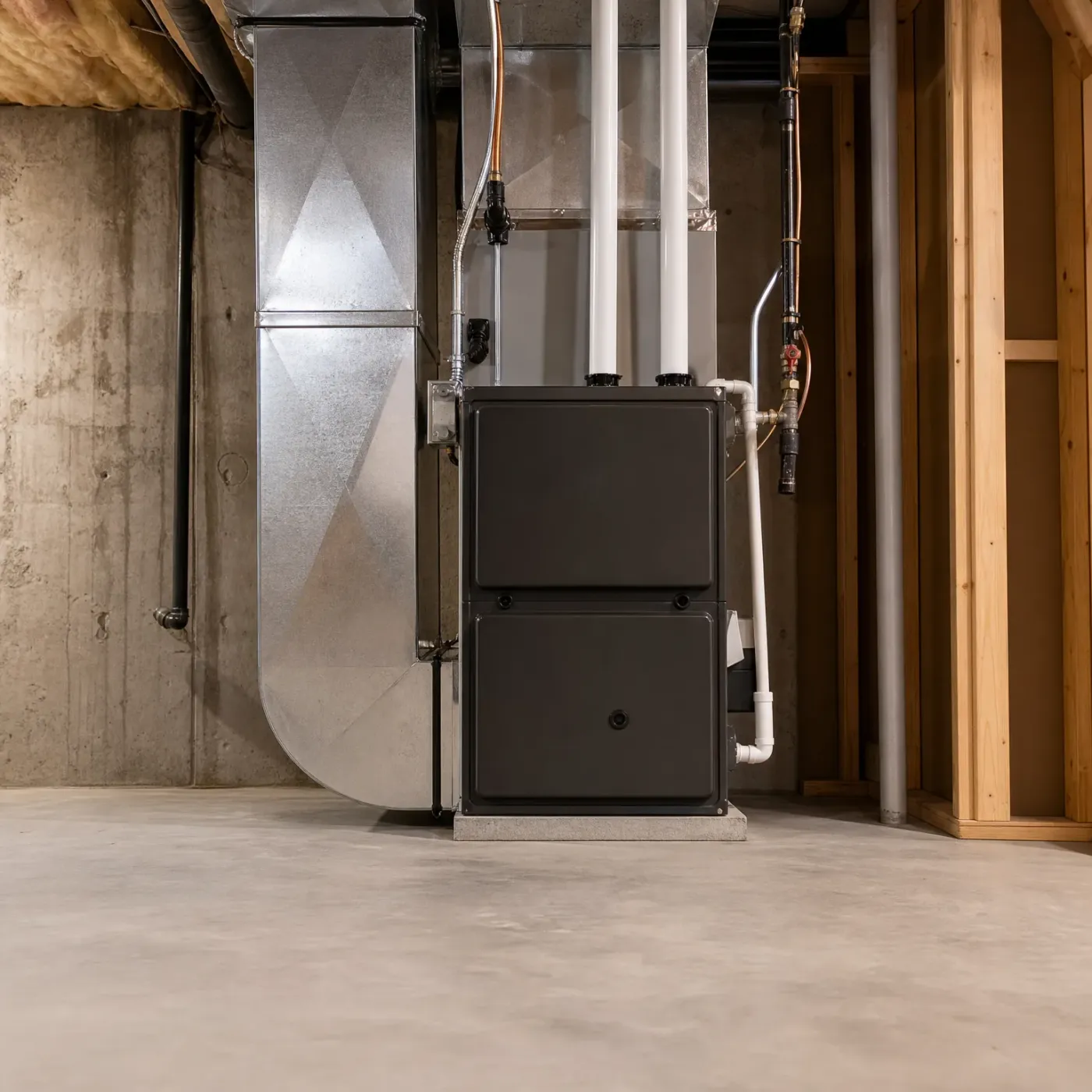
A dark high-efficiency furnace on a concrete pad in a basement, connected to galvanized ductwork, white PVC vent pipes, and copper and black gas piping, with concrete walls and wood framing nearby.

The Furnace Running Right

Warm air should come out steady once the burners light and run a minute or two. The blower kicks in a little after the flame does, not before, so there's a short delay before you feel warm air at the vent. No metallic smell, no clicking that won't stop.
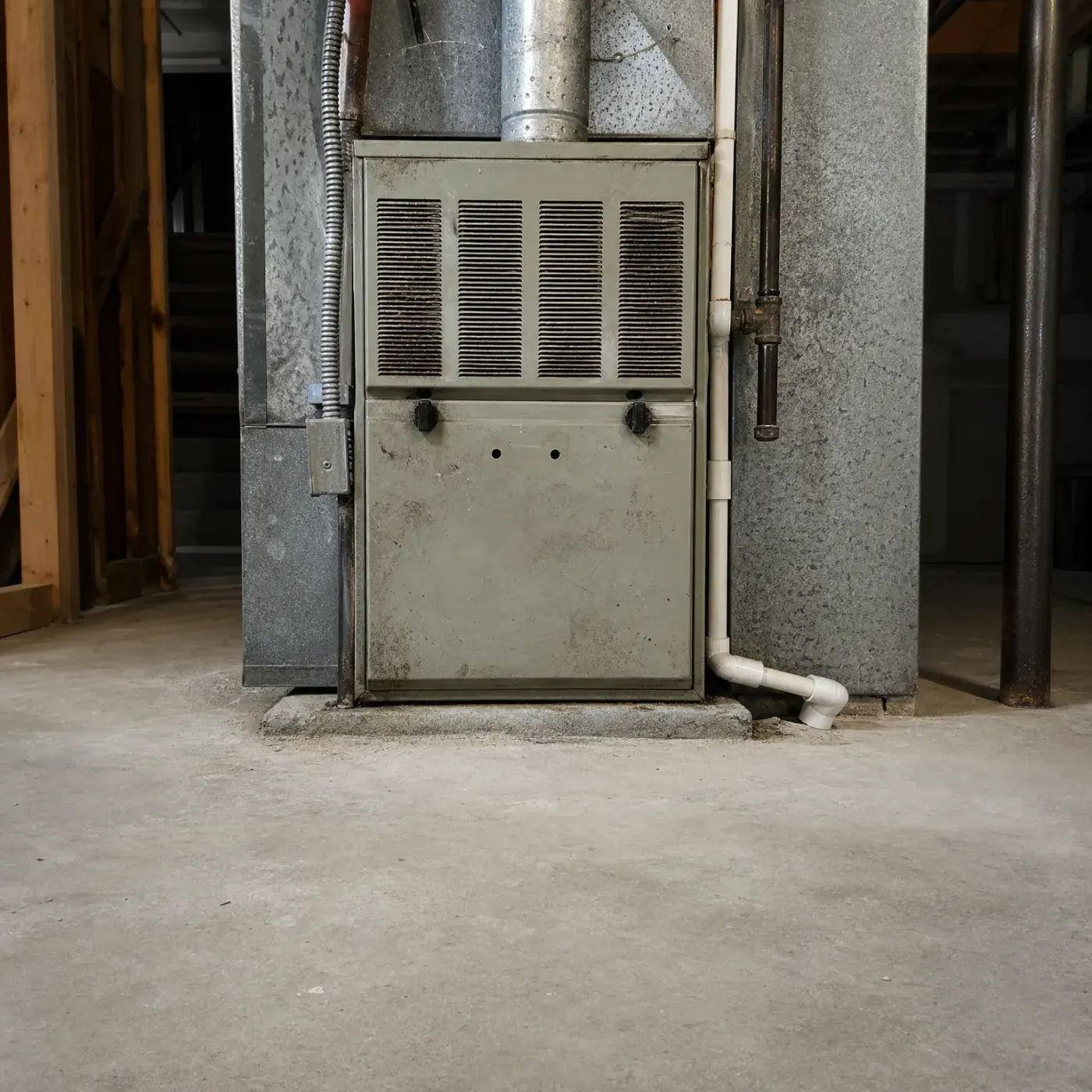

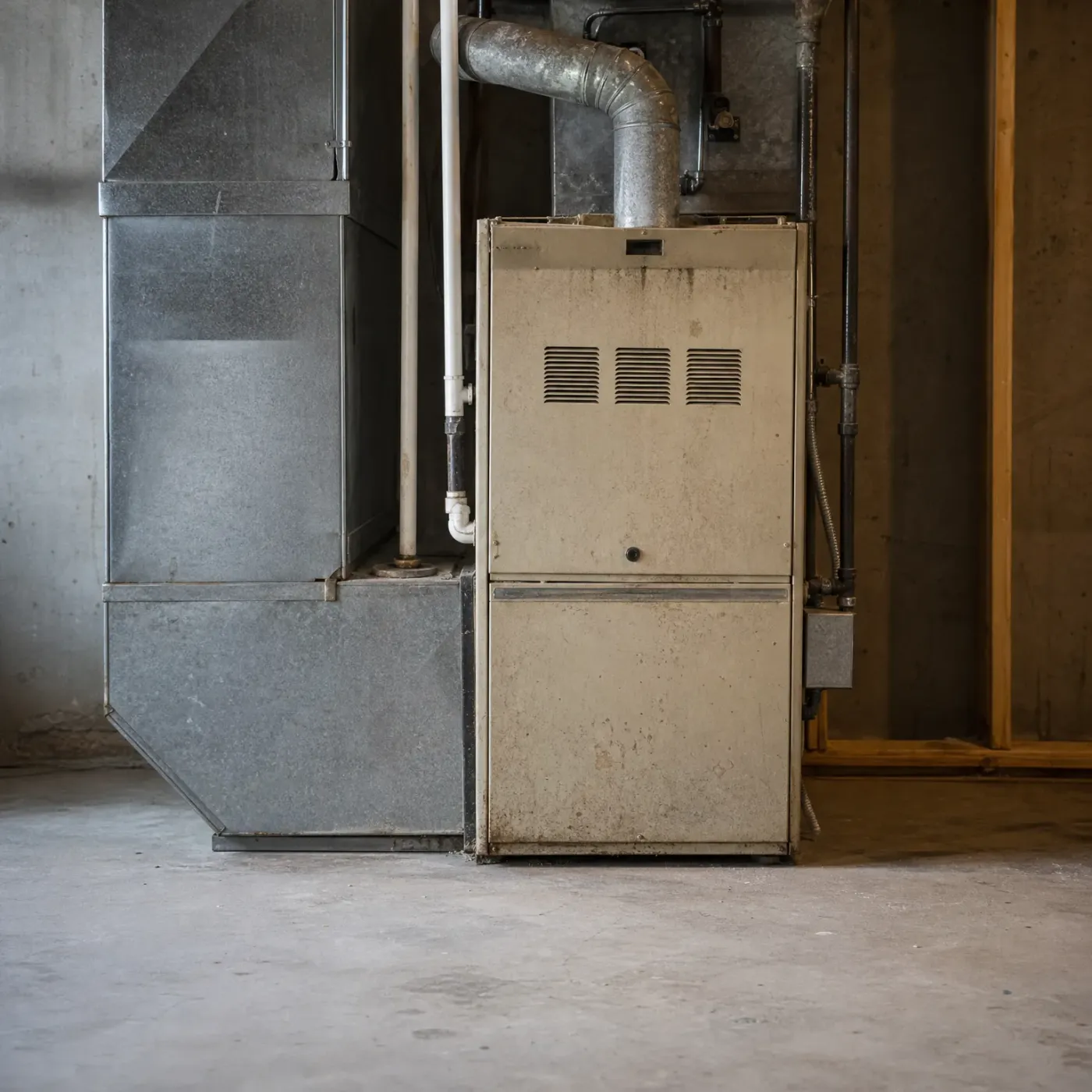
A gas furnace with a louvered upper panel stands on a concrete pad in a basement, flanked by sheet-metal ductwork, white PVC and metal pipes, and insulated columns.

The Furnace in Trouble

If cold air keeps blowing well past a couple of minutes, the burners aren't staying lit or aren't lighting at all. A cracked heat exchanger, a dirty flame sensor, or a failed igniter can all cause this, and an older unit like this one has had more years for any of them to wear out.

Check It Yourself or Call for Repair

Call Now

  • Cold air from the vents in January means the house loses heat while you wait, and pipes don't care why the furnace quit.
  • A gas furnace that's igniting but not heating can be a cracked heat exchanger or a failed limit switch, both jobs for a licensed tech.
  • A local contractor who services furnaces all winter in Ohio has likely seen the exact fault code your model is throwing.
  • Waiting it out means another night of the blower pushing room-temperature air while the thermostat shows a number you're not getting.
  • One contractor means one visit, one diagnosis, and no juggling calls to find out who can come first.

Try First

  • If the thermostat fan is set to On instead of Auto, it runs the blower constantly, including between heat cycles when no flame is lit.
  • A furnace filter clogged enough can smother the burners and trip a safety switch before the air ever warms up.
  • Check the breaker and the furnace switch, the one that looks like a light switch near the unit, before assuming a bigger failure.
  • If the pilot or igniter never lights at all, air moves through the ducts cold because there's no flame to warm it, and that points straight to a repair.
A gray-haired man in a dark sweater sits on a light gray sofa in a living room, looking toward a sunlit window with trees outside.
A gray-haired man in a dark blue sweater sits on a light gray sofa in a sunlit living room, looking off to the side, with a potted plant, shelving unit, and large glass doors behind him.
A bearded man with graying hair in a dark green sweater sits on a sofa in a living room, looking off to the side, with a sliding glass door and a dim kitchen doorway behind him.
A gray-haired man in a dark knit sweater sits on a light gray sofa in a living room, looking toward a sunlit window, with houseplants, a lamp, and framed art in the background.
A beige high-efficiency furnace with white PVC vent pipes stands beside galvanized sheet-metal ductwork in a basement with a concrete floor, exposed wood studs, and metal piping along the wall.
A high-efficiency furnace like this should push warm air through the plenum within a minute or two of startup, no cold spells in between.
An older beige furnace with a louvered vent panel stands on a concrete basement floor beside galvanized sheet-metal ductwork, a metal flue pipe and vertical pipes along a concrete wall.
An older furnace with a flue pipe like this can still heat fine, but a cracked exchanger or failed switch inside needs a licensed eye to catch.

How the Blower and Burners Work Together

  • Furnaces run a fan-only startup phase called the blower pre-purge, moving leftover cold air out of the ducts before the burners fire.
  • A thermostat set to "fan on" instead of "auto" keeps the blower running between heat cycles, pushing room-temperature air that feels cold.
  • Gas valves and igniters can fail mid-cycle, so the blower keeps moving air but no flame is there to heat it.
  • A flame sensor coated in residue will shut the burners off seconds after they light, leaving the blower running on no heat.
  • Short cycling, where the furnace fires and stops within a few minutes, often points to a dirty flame sensor or a failing limit switch.
  • A clogged filter can starve the burners of airflow and trip a safety switch that cuts gas but leaves the blower running.

A furnace doesn't fire the burners and blower at the same instant. When the thermostat calls for heat, the blower often starts first, clearing out air that's been sitting cold in the ducts, and the burners light a moment later. That's normal. It only becomes a problem when something breaks the handoff between the two.

Check the thermostat first. If it's set to "fan on" instead of "auto," the blower runs all the time, even when the burners aren't firing, and what you feel at the vent is just room air moving past you. That's the easiest explanation to rule out before anything else.

Past that, the causes live inside the furnace itself. A gas valve or igniter can fail partway through a cycle, so the blower keeps pushing air with no flame behind it. A flame sensor coated in residue will read the fire as absent and shut the gas off within seconds of ignition, which looks like the furnace never really started. If the whole cycle is short, burners firing and quitting within a few minutes over and over, that pattern usually traces back to a dirty flame sensor or a limit switch that's failing. Even a clogged filter can cause this: it starves the burners of air, trips a safety switch that cuts the gas, and leaves the blower running with nothing to heat the air. Each of these is a different part, but they all end with the same thing coming out of your vents: moving air, no heat behind it.

Winter nights average 23°F statewide

At 23°F overnight, your furnace isn't cycling on and off a few times a night, it's running long stretches to keep up. That means more chances for a cold-air complaint to show up, and less patience for waiting on a fix once it does.

NOAA nClimDiv 1991-2020 county normals weighted by homes

A furnace that short cycles fires for a minute, trips off on a limit switch, and blows cold air the rest of the time the blower runs. That pattern points to airflow or a flame sensor problem, not a dead furnace.

A licensed tech can usually tell which from the cycle pattern alone, then confirm it with a multimeter and a look at the flue. That's a diagnosis, not a guess, and it's why this isn't a DIY fix.

A woman with shoulder-length brown hair wearing a beige knit cardigan sits in a gray upholstered armchair near a window, looking off to the side with a slight smile, with bookshelves blurred in the background.
A woman with her hair in a bun holds a sleeping young child against her chest, both wrapped in a textured beige knit blanket on a sofa in a dimly lit room with a lamp, framed picture, and bookshelf behind them.

One form, no calling around

Your request stays with one local pro.

Asking costs nothing, and the choice to hire stays yours.

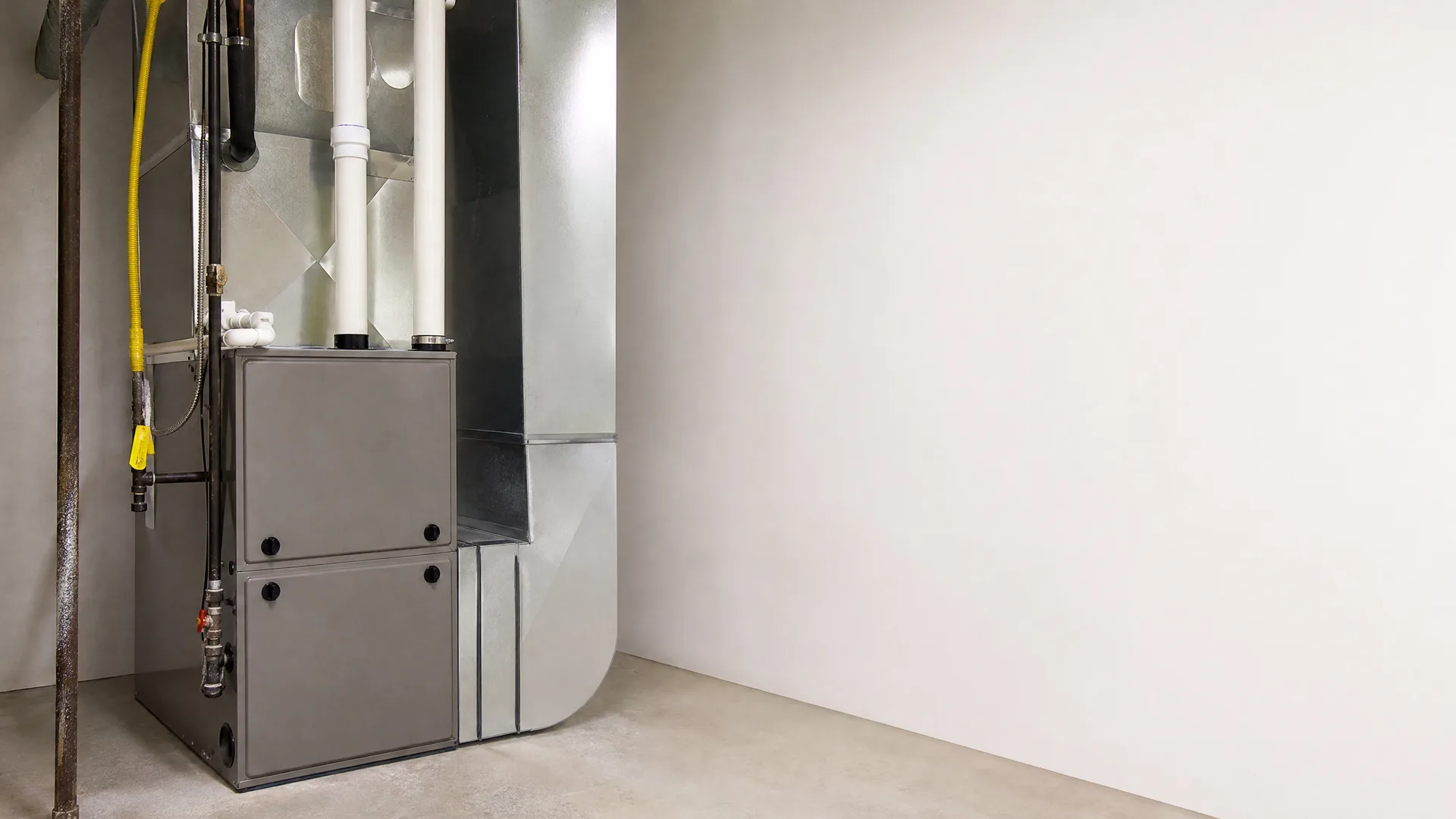
A gas furnace with two gray access panels stands against a plain wall in a basement, connected to sheet-metal ductwork, white PVC vent pipes, and a yellow gas line.

What a Cold Night Costs You

Once the house starts losing ground at 23°F, it doesn't take long to notice. Rooms farthest from the furnace cool first, floors go cold underfoot, and the thermostat keeps calling for heat it isn't getting. Run the blower long enough on cold air alone and the furnace is just moving outside air through the house while the gas meter and the electric meter both keep turning. In Ohio that's not a cost you want to carry through a long stretch of winter nights.

A gray high-efficiency furnace in a basement corner with white PVC vent pipes, copper and black gas piping, and sheet-metal ductwork beside a plain white wall and wooden stair framing.

Why Waiting Makes It Worse

A limit switch tripping or a flame sensor failing doesn't fix itself by morning. Left alone, a furnace that's short cycling tends to cycle more, not less, as the part that's failing gets worse under repeated starts. A cracked heat exchanger is the one to worry about most, since it can let combustion gas into the air the blower is pushing through your house. None of these are things to diagnose by ear overnight. They're jobs for a licensed tech with a meter and a combustion analyzer, not a guess.

What are you noticing right now in the house

You probably noticed it at the vent closest to the thermostat first, air moving but not warm, maybe outright cold. Some rooms hold heat better than others, so the one over the garage or at the end of the duct run is likely the coldest in the house right now. You might hear the blower running longer than usual, or catch it cycling on and off every few minutes instead of settling into a steady run. If this has been going on for a few hours, check on anyone in the house who's more sensitive to cold, and keep an eye on any pipes that run along an outside wall. A furnace that won't hold heat on a cold night isn't just uncomfortable, it's a reason to get someone out before the house loses more ground.

  1. Thermostat calls for heat and opens the gas valve

  2. Igniter glows or sparks to light the burners

  3. Flame sensor confirms the burners are lit

  4. Blower waits, then pushes air across the heat exchanger

A closed dark laptop and a ceramic mug of coffee on a wooden dining table, with wooden chairs, a dark kitchen cabinet with cutting boards and a potted plant, and a leafy plant by a window in the background.

Your House While You Wait on This

A furnace blowing cold air doesn't stay a small problem in Ohio once the temperature drops. The room over the garage and the one at the end of the duct run lose ground first. Floors go cold underfoot. You turn the thermostat up and the furnace runs longer without catching up, and the power bill moves with it. If this is a cracked heat exchanger or a failed limit switch, running it anyway while you figure out who to call isn't a safe bet to make on your own house.

Most people in this spot start calling around, telling the same story to three different companies, waiting on quotes, trying to guess which outfit actually knows gas furnaces instead of just advertising for them. Submitting this request skips that part. It goes to one licensed contractor local to you, someone who works on furnaces like yours every winter and has a good idea what's failing before they knock on the door.

A gray upholstered sofa with a matching cushion sits beside a potted plant and a wooden table holding a small green plant in a stone pot, near a curtained window.
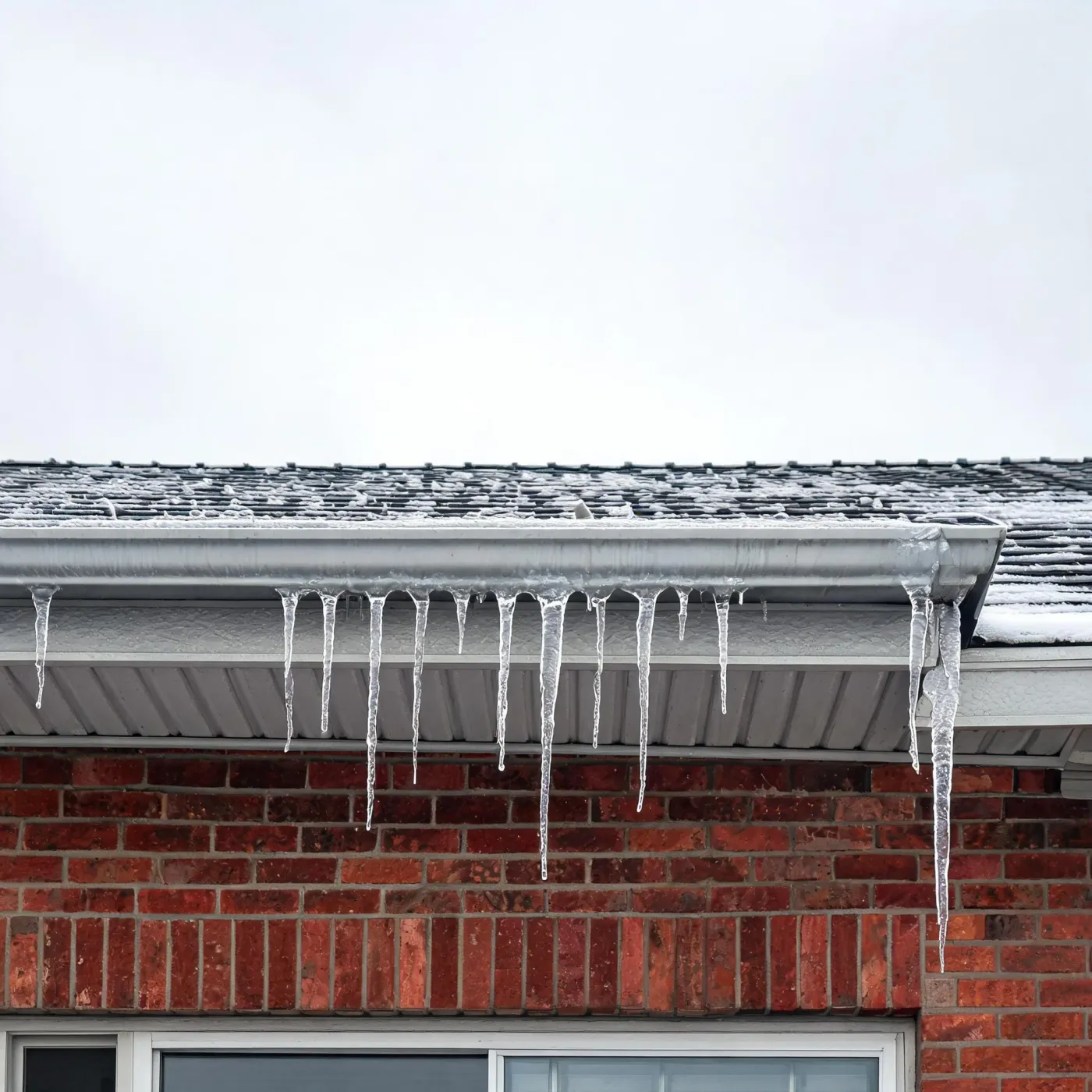
Icicles hang from a metal gutter along the eave of a red brick house with a snow-dusted shingle roof under an overcast white sky.

Statewide, winter nights average 23°F, according to NOAA climate data. That's cold enough that your furnace isn't cycling on and off a few times an hour, it's running in long stretches to hold the house at temperature. A furnace working that hard shows problems faster than one that only kicks on now and then. A flame sensor coated with a little buildup, or a blower that's slow to start, might go unnoticed on a mild night. At 23°F, the same issue shows up as cold air at the vent within the first hour, because there's no margin left for the system to make up the difference on its own.

NOAA nClimDiv 1991-2020 county normals weighted by homes

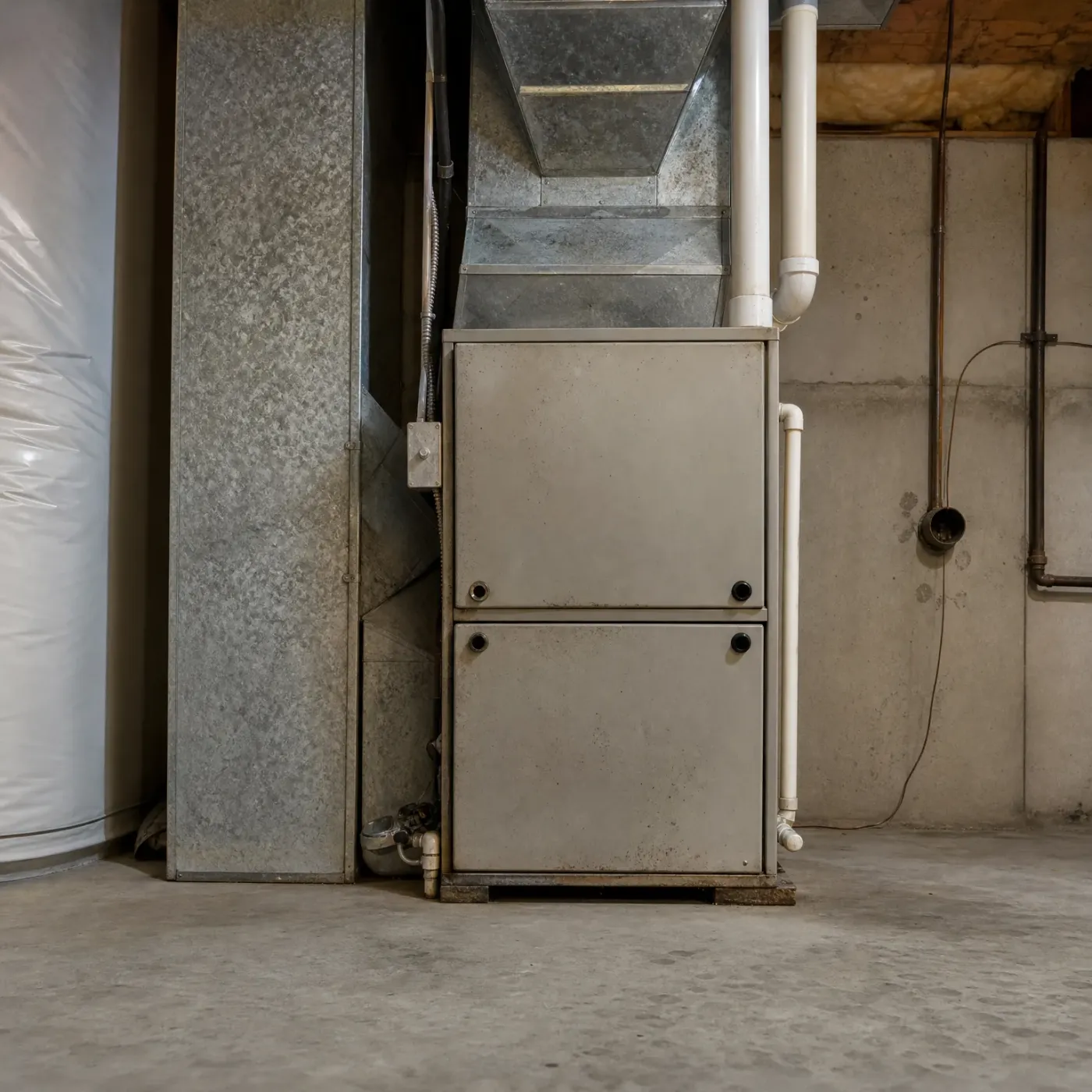
A gray furnace cabinet in a basement, connected to galvanized sheet-metal ductwork and white PVC pipes, against a concrete wall with exposed metal piping and insulation overhead.
Before you get your furnace repair
A gray high-efficiency furnace with two PVC vent pipes stands in an unfinished basement beside sheet-metal ductwork, a framed and plastic-covered wall, and a bare concrete wall with vertical pipes.
After you get your furnace repair

A furnace blowing cold air almost always comes down to something specific: a dirty flame sensor, a bad limit switch, a thermostat set to run the fan on its own, or a cracked heat exchanger that shuts the burners down for safety. None of those get fixed by guessing, and none of them get better on their own while it's 23 degrees outside. What you need is someone who already knows what a furnace like yours tends to do in an Ohio winter, because they've been inside one like it recently, not someone learning on your house. When you request help through this page, it goes to one licensed local contractor, not a handful of companies competing for the callback, so you're not fielding calls all afternoon or repeating the same description of the problem three times. You tell them once what the furnace is doing, and they already have a good idea what they're walking in to find.

Kitchen corner with cream upper cabinets, oak lower cabinets, white marble-look countertop, beige tile backsplash, a ceramic vase of greenery, a wooden cutting board and bowl, and a black-framed window at right.
Interior corner of a room with a white-framed window and wide sill, beige walls with panel molding, a wooden cabinet holding a ceramic vase with a green leafy plant, and blurred shrubs and trees outside.
A wood-framed armchair with beige cushions and a woven lumbar pillow sits in a corner beside a large window overlooking green trees, with a tall ceramic vase holding leafy branches on the left and plaster walls and wood flooring.
Interior corner with a white-framed window above a sill, beige walls with baseboard molding, a greige shaker-style cabinet with brass knobs and a potted plant on top, light wood flooring and a woven jute rug.
A dark-framed six-pane window with white trim and sill set in gray horizontal lap siding, with hydrangea shrubs below and a white column and shingled roof section at left.

Skip the search

Your request goes to one pro, not a list of companies.

Find a licensed furnace pro

No fee to send it, and nothing to sign.