
One duct run can lose heat before it ever reaches the register
Long duct runs to far rooms lose heat along the way. If that room sits at the end of the line, less warm air arrives there than anywhere else in the house.
Send the request today and stop worrying about who to call.
Send my requestYou keep the thermostat where it's always been, every other room is fine, and still one of them won't warm up. In an Ohio winter that's not a small thing to live with, and you've probably already checked the vent and shut the door, hoping that would be enough.
A cold room almost always means the air isn't reaching it the way it reaches the rest of the house. The duct run to that room may be long, pinched somewhere, or poorly connected, so by the time the air gets there it's lost most of its heat. Sometimes it's a damper that's partly closed, or a vent that's blocked by furniture. With Ohio winters running cold for months, that gap between rooms shows up fast and stays obvious, especially in a room on an outside wall or above an unheated space. A furnace repair technician can check the duct run and the airflow at that vent and tell you whether the fix is in the ductwork or somewhere else in the house.




Long duct runs to far rooms lose heat along the way. If that room sits at the end of the line, less warm air arrives there than anywhere else in the house.
Some Ohio homes have dampers inside the ductwork that split airflow between floors. One stuck half shut sends most of the heat everywhere but that room.
A cold room doesn't stay contained. You turn the thermostat up to fix it, and now the rooms that were already warm enough are overheating while that one room still lags behind. The furnace runs longer to chase a temperature it can't reach evenly, and with gas heating most of the winter here, that shows up on the bill before it shows up anywhere else. Pipes near an exterior wall in an unheated room are also at more risk once it gets cold enough, and that's a repair nobody wants in January.
Finding out which one it is on your own means calling a few contractors, explaining the same cold room three different times, and sitting with quotes that don't quite match up. Send this one form instead and that part is done. You won't be the one tracking down who's available or free this week; that search is no longer yours to run.

Air leaves the furnace through the main trunk line at one temperature.
Branch ducts split off and carry air toward each room.
The farthest or narrowest runs lose heat before reaching the register.
A technician checks airflow at every register with a gauge.
That one room is costing you more than comfort. Every degree you add to the thermostat to chase it runs the furnace longer, and with gas prices what they are in Ohio, that shows up on the bill whether the room ever catches up or not. Meanwhile the rooms that were already warm get pushed past where you'd set them, so you end up cracking a window down the hall while you're still cold at your own desk. Left alone through a full winter, an unbalanced system like this keeps the furnace running longer cycles than it should, and the parts that push and control that air wear under that extra load. You're not imagining the draft by that one wall, and you're not wrong to want it fixed before it costs you a bigger repair than a blocked damper or a duct run.


You already know which room it is. What you probably don't know is whether it's a duct that needs balancing, a damper that's stuck, or a return that's too far from that part of the house. Guessing at it from the thermostat isn't going to tell you, and another winter of turning up the heat and closing vents by hand isn't going to fix it either. Finding someone to actually look at it usually means searching around, calling a few places, explaining the same thing more than once, then sitting with quotes trying to figure out who's worth trusting. That's the part you can hand off here. Send the request and a licensed contractor in your area takes it from there, so you're not the one doing the legwork of finding them. The cold room doesn't go away on its own, and neither does the extra it's costing you on the furnace. Sending this is what moves it off your list.
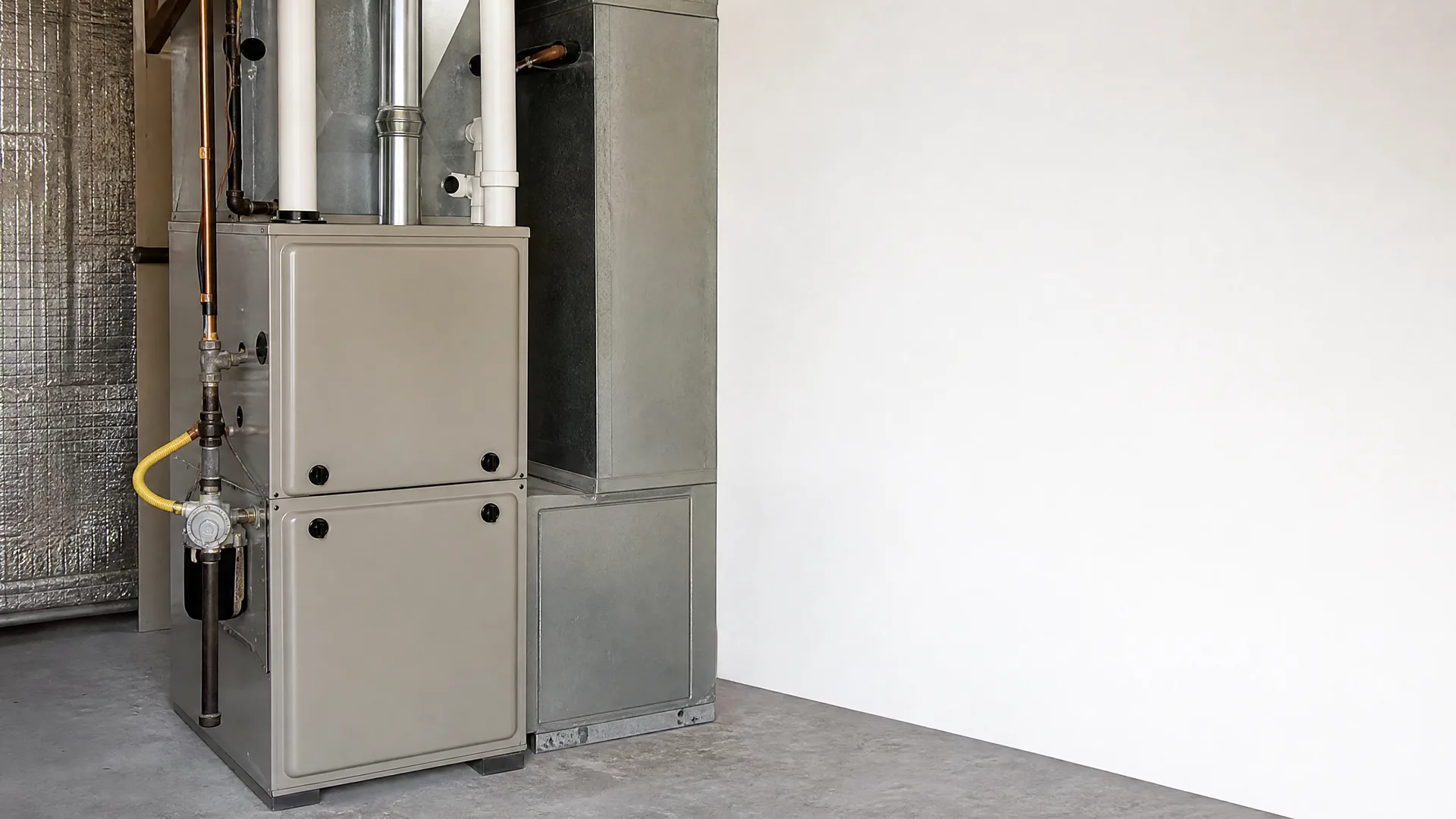
Furniture gets moved and a vent ends up half covered, or someone closed it last summer to push air elsewhere and forgot. Either way, less warm air reaches that room than the duct was built to deliver. The fix is finding every register in the house and checking it's actually open, not just checking the one in the cold room.
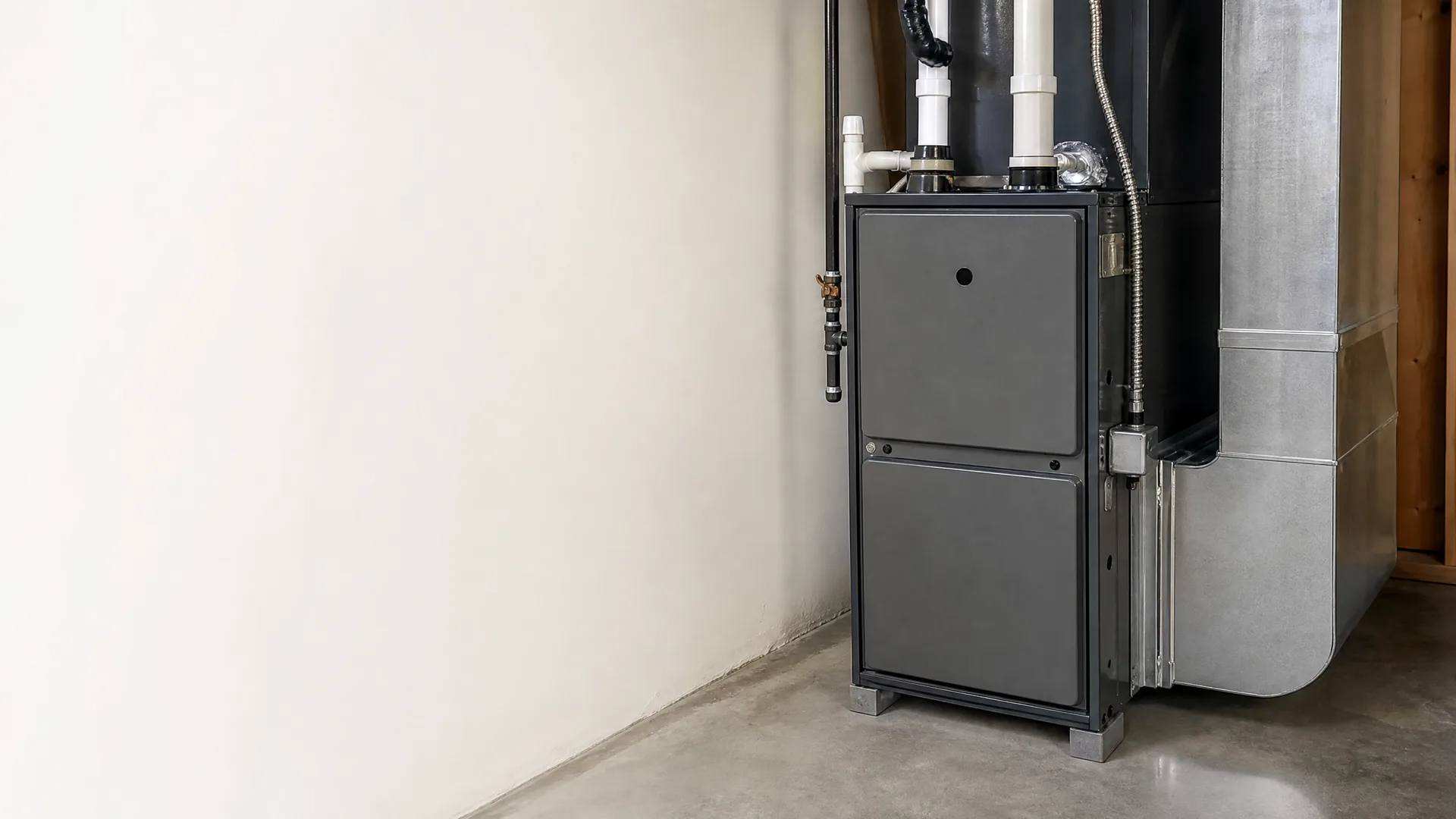
A finished attic, a converted garage, a room built over a porch, these often got tied into the existing ductwork instead of getting their own run sized for the space. The furnace was built to heat the original floor plan. A technician can tell you whether that room needs its own duct run or a separate heat source to keep up.
With overnight lows around 23°F across Ohio in December, January and February, your furnace is running long stretches just to hold the house steady. A duct that's losing heat along the way has that much more ground to make up before it reaches that one room.
NOAA nClimDiv 1991-2020 county normals weighted by homes
The thermostat reading in the hallway was never going to tell you why one room stays cold. A duct losing heat along its run, a damper stuck closed, a return that sits too far from that part of the house, each one leaves the same sign: a room that won't catch up no matter how long the furnace runs. You've seen what that costs you. Every degree you add trying to fix it from the thermostat heats the rooms that were already fine while that one room keeps lagging, and the furnace logs the longer runtime either way.
Finding out which one it is means checking airflow at every register, not guessing from across the house. That part was never going to happen on its own, and it's not really yours to solve. What was yours, until now, was the rest of it. Searching for a licensed contractor in your area. Calling two or three of them. Telling each one the same story about the room that won't warm up, the vents you've checked, the thermostat you've already turned up twice. Waiting to hear back, then doing it again with the next name on the list.
Send the form and that search ends. The room still needs the same repair it needed before, and nothing about that gets faster or cheaper. What changes is that finding who does it is no longer a task sitting on your list for another evening.
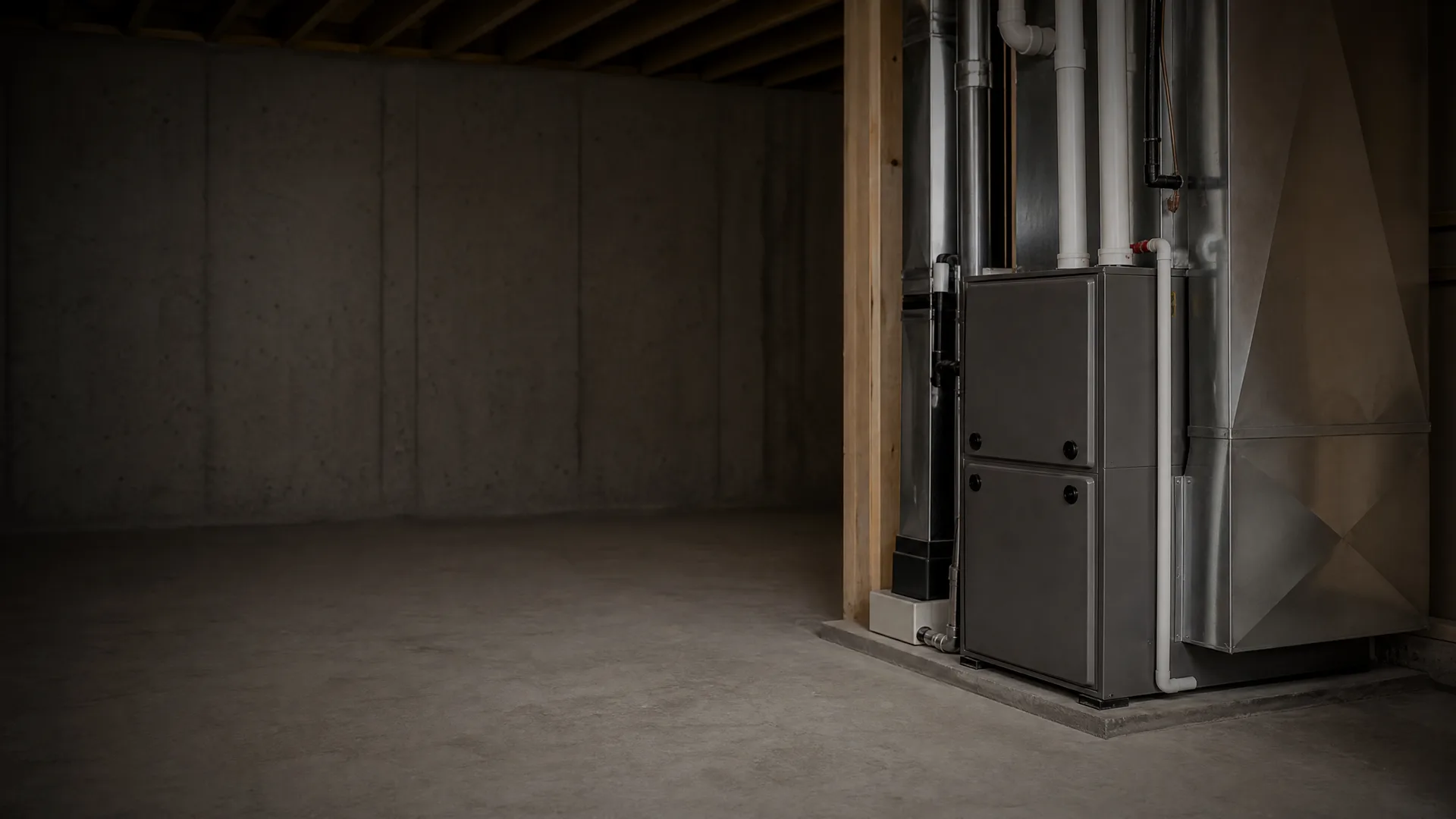
One form replaces the calls you'd make to find a furnace pro.