Profile view of a bearded man wearing a black baseball cap and a dark gray T-shirt against a plain light background.

How long a furnace lasts in Ohio

Step 1 of 3: Equipment

How long does a furnace last in Ohio?

Winter heating bills in Ohio add up fast, and most homes here run on gas furnaces to get through the cold months. When a furnace starts acting up, or just starts feeling old, it's natural to wonder if it's near the end or if there's still good life left in it. Knowing the typical span helps you figure out whether a repair is worth it or whether you're better off planning ahead for something new.

15 to 20 years

A gas furnace in Ohio typically lasts 15 to 20 years. The furnace works hard here, often running from October through April, and that steady workload is what wears down the heat exchanger and other parts over time. Homes in Ohio lean on gas heat rather than electric because power here costs more, so the furnace carries most of the load each winter. If yours is in that 15 to 20 year range, pay attention to how it's running. A furnace nearing the end of that span is more likely to need frequent repairs, and once it passes 20 years, replacement is usually the more practical path forward.

  1. Cold air returns through the ducts into the furnace.

  2. A gas valve opens and the igniter lights the burners.

  3. The heat exchanger warms as flue gas passes through it.

  4. The blower pushes heated air back through the ductwork.

Is your furnace telling you it's done?

An old furnace gets loud before it quits. Listen for banging or rattling when the burners light, or a blower that runs longer than it used to just to keep the house warm. You might notice some rooms staying cold while others heat fine, or the furnace cycling on and off more than it should on a cold day. A yellow flame instead of blue, or soot near the vents, means the burners aren't running clean. Gas bills creeping up while the house feels the same or colder is another sign the furnace is working harder for less heat. Left alone, a furnace in this shape can fail on the coldest night of the year, when you need it most.

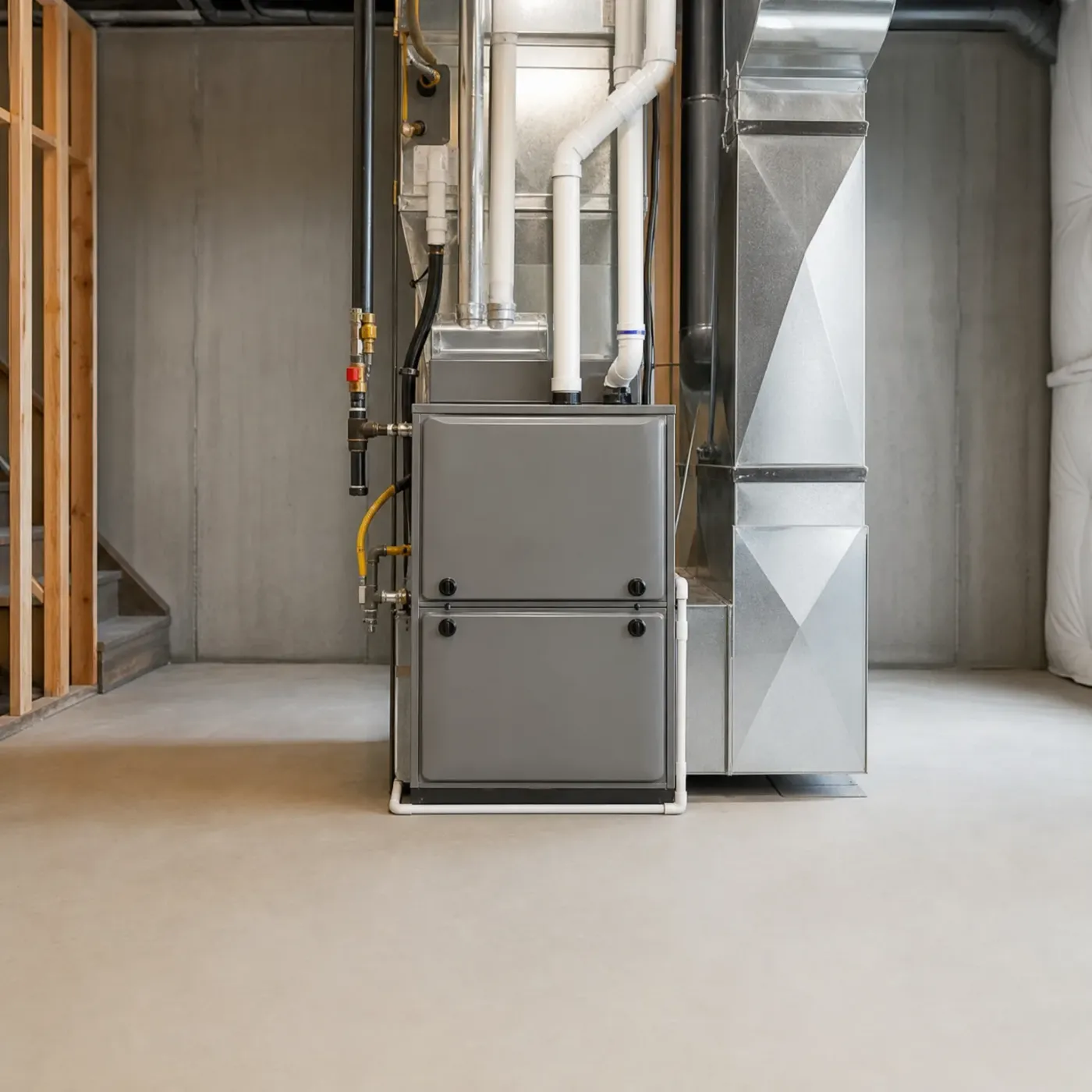
A gray high-efficiency furnace in a basement with PVC venting pipes, a yellow gas line, metal ductwork, concrete walls and floor, and a wood-framed stairway at left.

Running the way it should

A furnace like this heats evenly and quietly, with the burners lighting on the first try and the blower cycling off once the house is warm. A two-stage cabinet like this one can carry a home through an Ohio winter without strain.

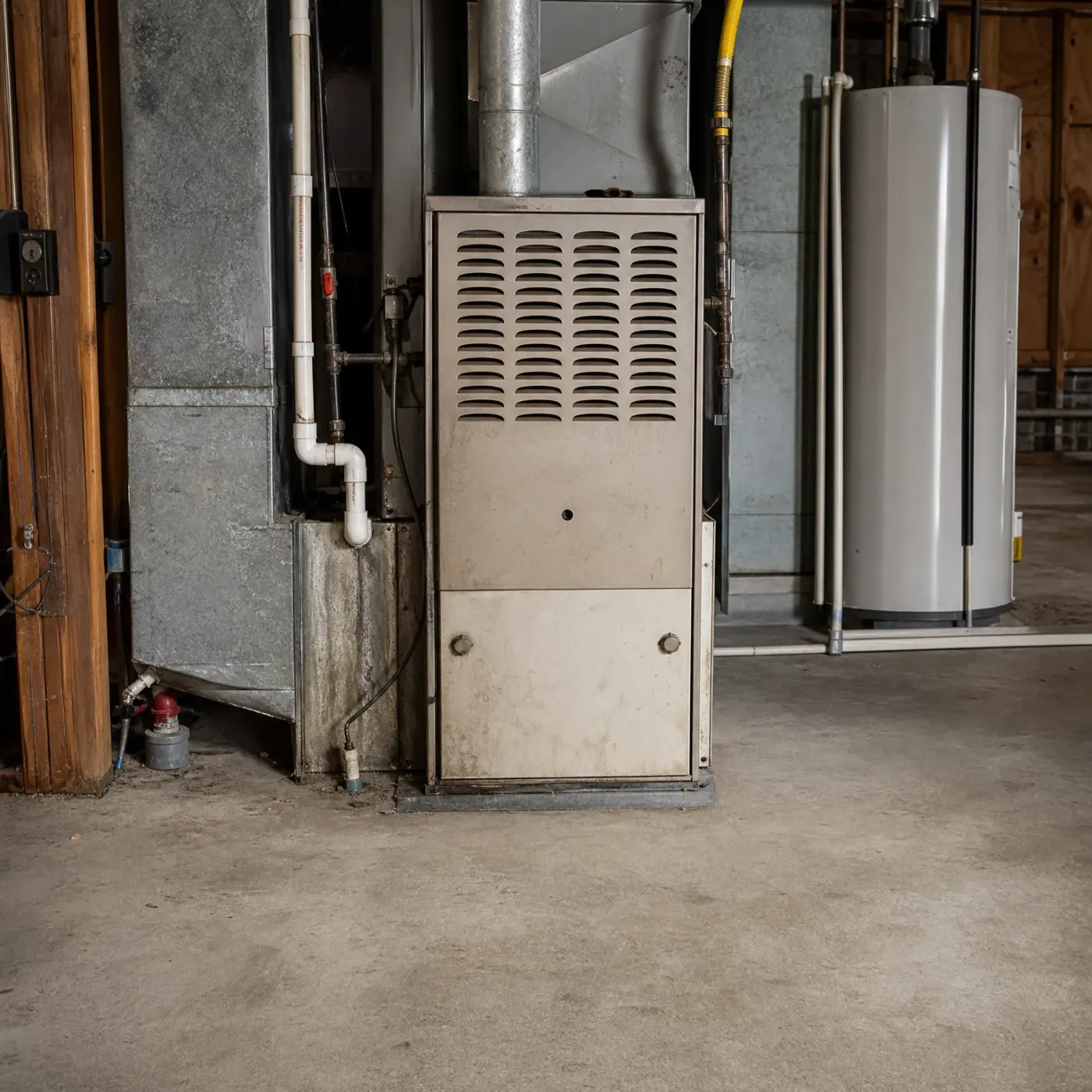
A beige furnace with a louvered front panel and metal ductwork stands on a concrete basement floor beside pipes and a white cylindrical water heater.

Showing its age

An older furnace like this one works harder for the same result, especially once the heat exchanger has years of flue gas behind it. If yours looks like this, a contractor can tell you whether it's still worth repairing or time to plan the replacement.

A man seen from behind raises his hand to wave at a woman standing in the open front doorway of a single-story house with gray shingle siding, white columns and a gabled porch entry.

What an aging furnace costs you in an Ohio winter

A furnace that's lasted past its years doesn't quit all at once. It runs longer to hold the same temperature, and that shows up on the power bill before it shows up as a breakdown. In a house where the furnace is working harder than it should, a cold snap in January is when it finally gives out, not a mild afternoon in October. That's the night you're calling someone at 9pm instead of picking the week that works for you.

There's also what an old furnace does to the rest of the house. A cracked heat exchanger can let flue gas into the air you're breathing. A blower that won't shut off is wearing parts that cost more to fix the longer you wait. If your furnace is old enough that you're already watching it for signs, it's worth finding out now what replacing it would actually involve, before the decision gets made for you by a dead furnace and a cold house. Answer a few questions and a contractor who knows Ohio installs can reach out and walk through it with you.

A gray upholstered sofa with a textured cushion sits beside a dark round side table holding a vase of green foliage, with a table lamp and sheer-curtained window behind.
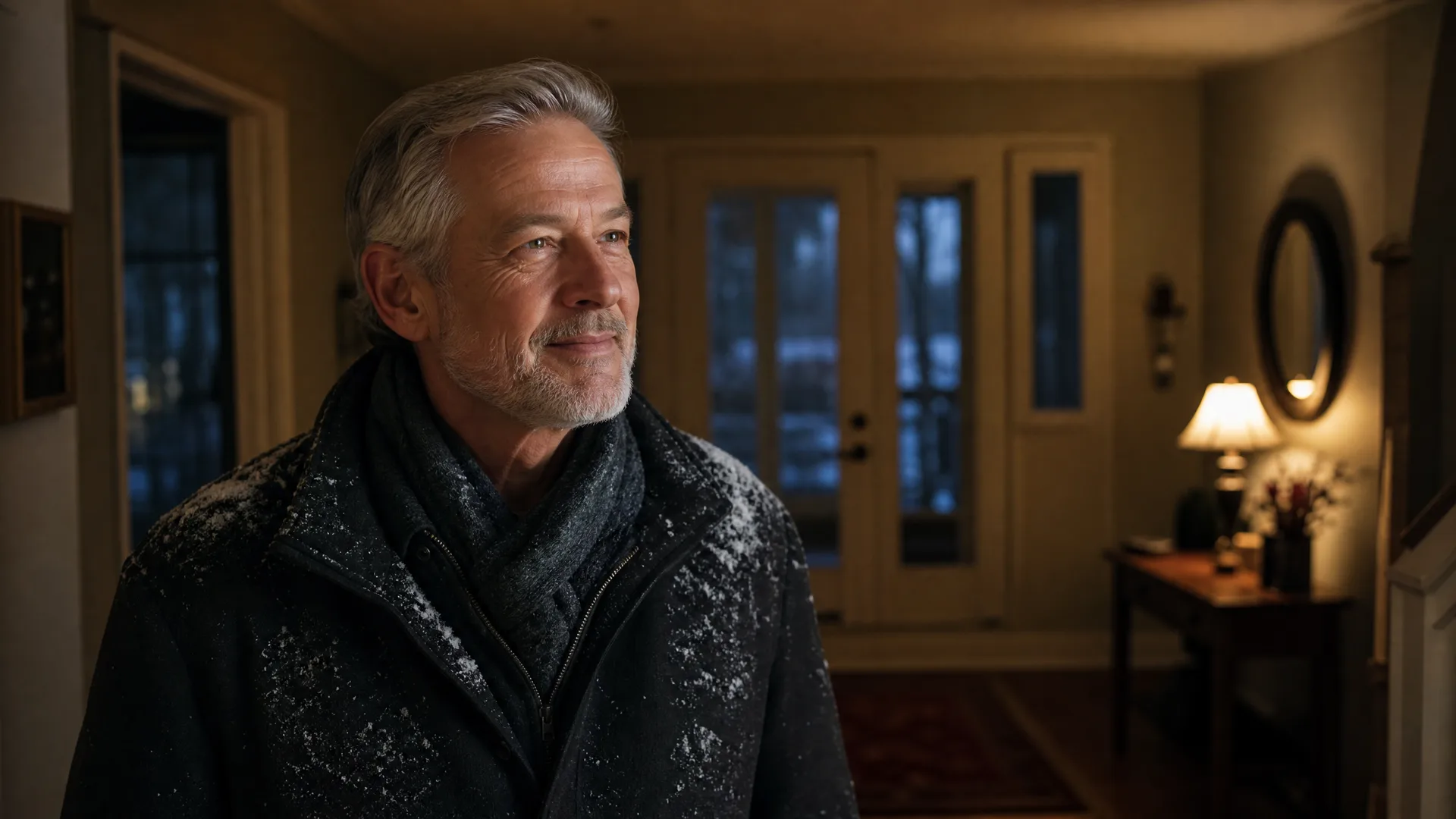
A gray-haired bearded man in a dark coat and scarf dusted with snow stands smiling in a dimly lit entryway with a white front door, a side table with a lit lamp, an oval mirror, and a patterned rug.
An older bearded man in a dark snow-dusted coat and gray scarf stands just inside a dimly lit home entry, with a framed picture, lit table lamp, and an adjoining room with a fireplace behind him, and snow visible through the open door.
A gray-haired, bearded man in a dark snow-dusted coat stands smiling in a dimly lit entry hall with a staircase, a lit table lamp, a framed picture, and a living room visible through a doorway.
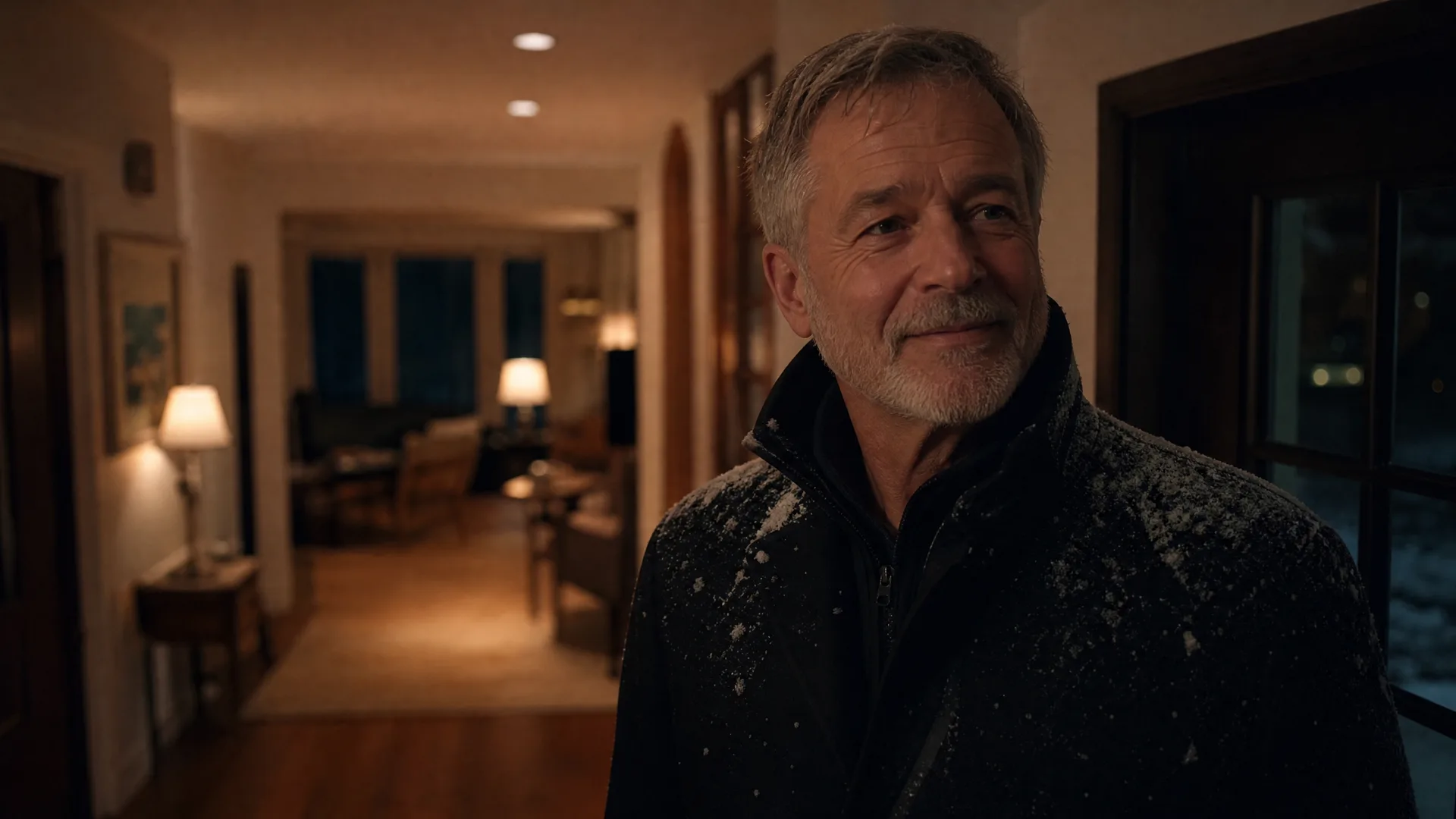
An older man with gray hair and a beard, wearing a dark jacket dusted with snow, stands smiling in a dimly lit hallway with lamps and a living room visible behind him.

Get the right pro for your furnace

Once you send the form, finding a pro is off your list.

It costs nothing to send, and you don't have to hire anyone.

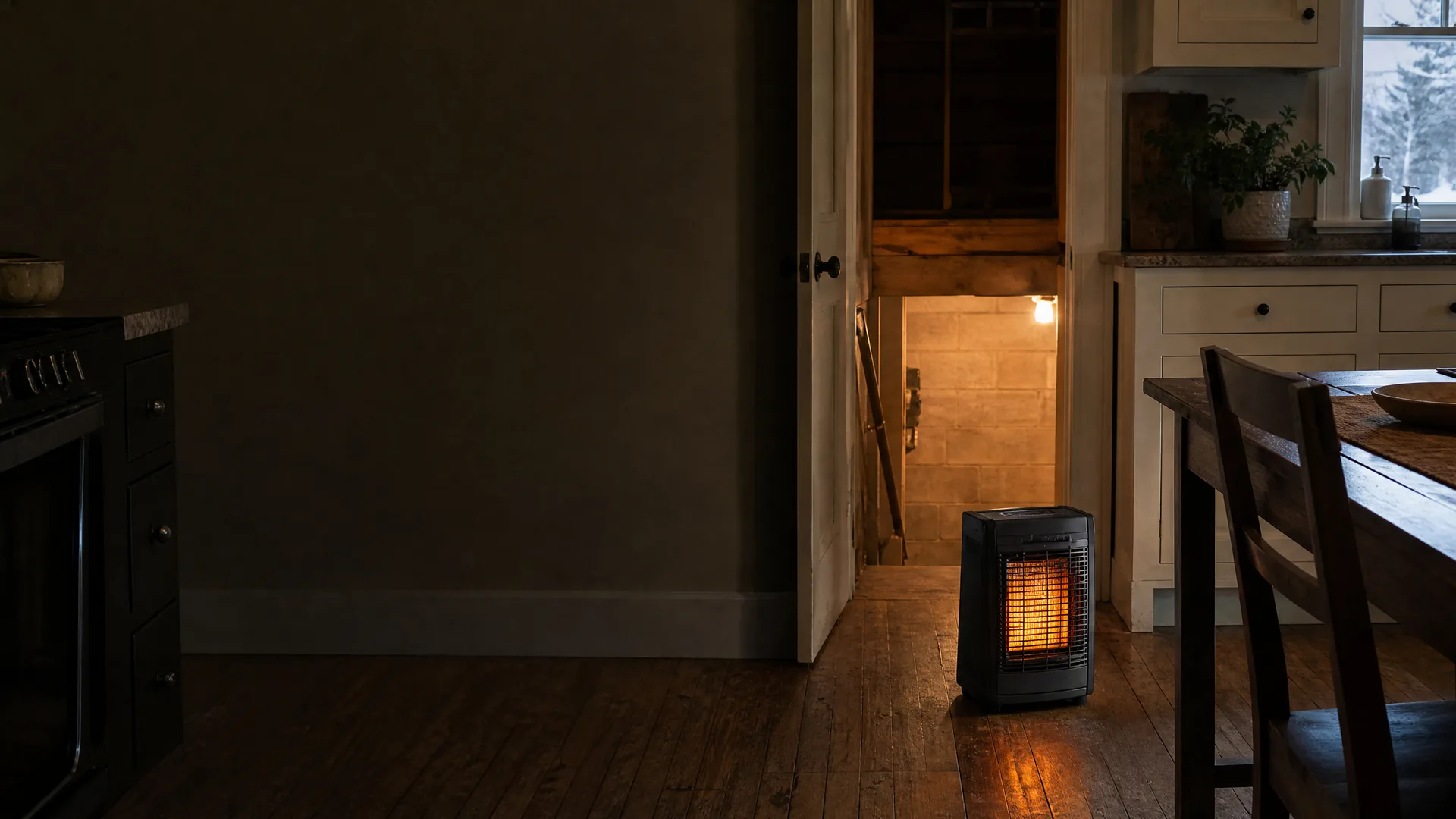
A dimly lit interior with wood plank flooring where a small portable heater with a glowing orange element sits near an open doorway, with a stove at left, kitchen cabinets and a potted plant at right, and a wooden table and chair in the foreground.

You're up before the rest of the house, and the kitchen is cold enough that you can see your breath near the window. The space heater is pulled out from the closet again, glowing orange by the table, cord stretched across the floor to the only outlet that works. The basement door is open behind it, because that's where the noise was coming from an hour ago, a groaning that stopped and didn't start again. You've got a coat on over your pajamas. The coffee maker is the only thing that sounds normal. Outside it's still dark, still January, still Ohio, and the furnace downstairs isn't doing the one job it has.

Keep It Going or Replace It

Keep it going

  • A furnace that lights on the first try and heats evenly room to room is doing its job, no matter the age on the nameplate.
  • Keeping it serviced each fall, with the filter changed and the flame sensor cleaned, buys it more winters without a bigger commitment.
  • If the cabinet, heat exchanger and blower are all sound, replacing the whole unit now means paying for years it still had left.
  • A furnace under warranty or recently serviced with a new igniter or inducer motor has had its weak points already addressed.
  • Gas is still the cheaper way to heat a home here compared to running electric resistance heat through an Ohio winter.

Replace it now

  • A furnace cycling on and off more than it used to, or one that can't hold the thermostat setting, is losing the fight against the cold.
  • Repair costs stack up fast on an older unit, and a cracked heat exchanger or failed blower motor often costs more to fix than to replace.
  • A new furnace rated higher in efficiency burns less gas to produce the same heat, which matters with power and gas prices climbing.
  • Waiting for a complete breakdown means scheduling an install in the middle of a cold snap instead of on your own timeline.
  • A two-stage or modulating furnace installed now runs quieter and holds temperature more evenly than most units built a decade or two ago.
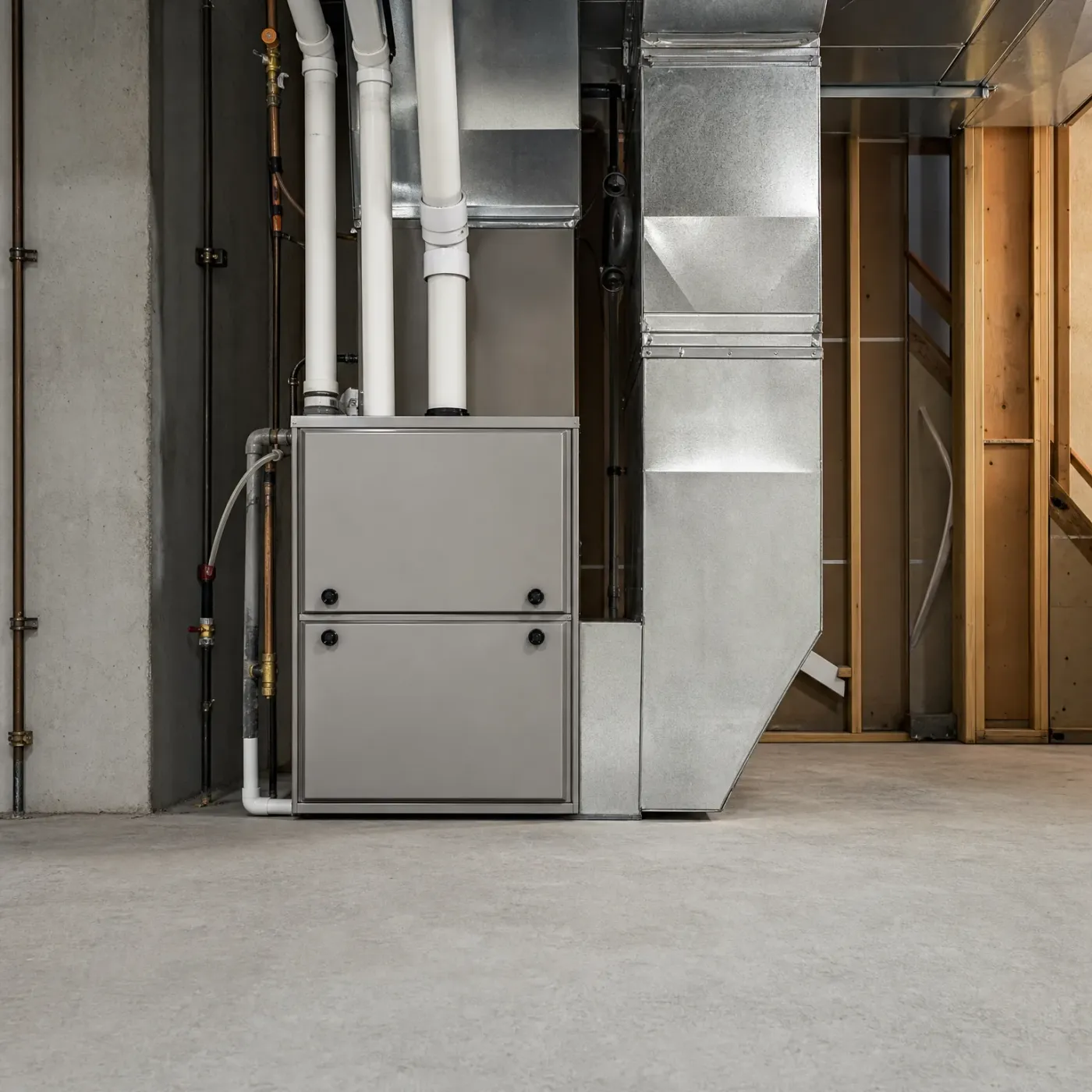
A gray high-efficiency furnace stands on a concrete basement floor beside galvanized sheet-metal ductwork, white PVC vent pipes, copper and black piping, and unfinished wood stud framing.

A furnace holding up

This is a furnace doing what it's built to do. The cabinet is clean, the flue pipes run straight, and the gas lines are secure against the block wall. Nothing here needs attention beyond the filter change and the yearly checkup.

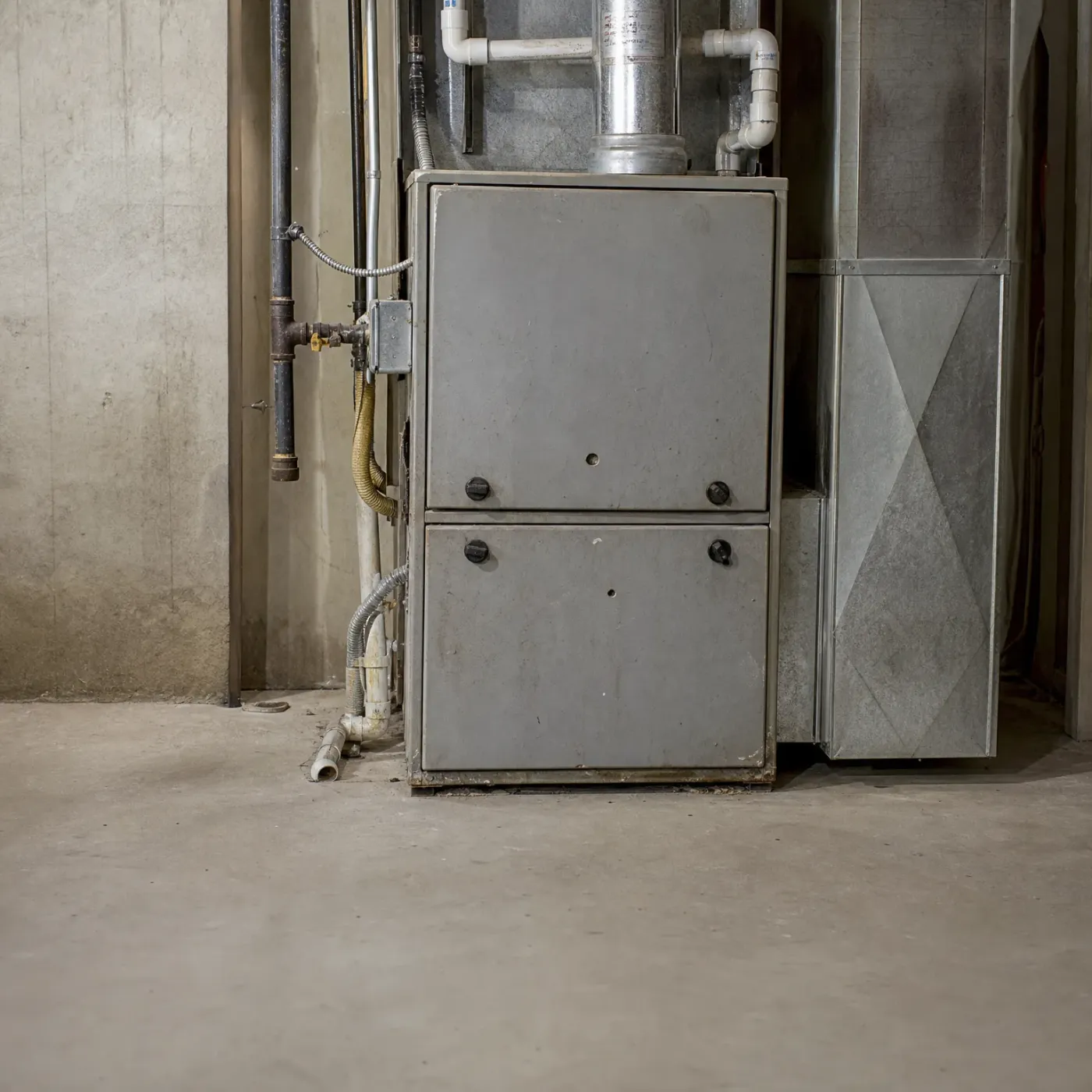
A gray furnace with two access panels stands on a concrete basement floor beside sheet-metal ductwork, with pipes, flexible conduit and an electrical box on the concrete wall to the left.

A furnace under strain

This one is still running, but age shows in the wear on the panels and the condensate lines along the wall. A furnace in this shape may still heat the house, but it's working harder to do it, and an Ohio winter doesn't give it any slack.

A woman wrapped in a thick beige fleece blanket sits on a sofa with an open book on her lap, beside a lit table lamp, with a frost-covered window behind her.
A gray-haired woman in a cream knit sweater stands in a dimly lit kitchen at night, looking to her right, with a round loaf of bread in the foreground and a dark window and potted plant behind her.

A furnace works harder for every degree between the thermostat setting and the air coming back through the return duct. Ohio winters push that gap wide for months at a time, and the burners answer by running longer, not hotter.

That longer runtime wears the heat exchanger and igniter years before a mild climate would. A furnace rated for 15 to 20 years in an average home can fall short of that in Ohio if it's carrying the full weight of January and February alone.

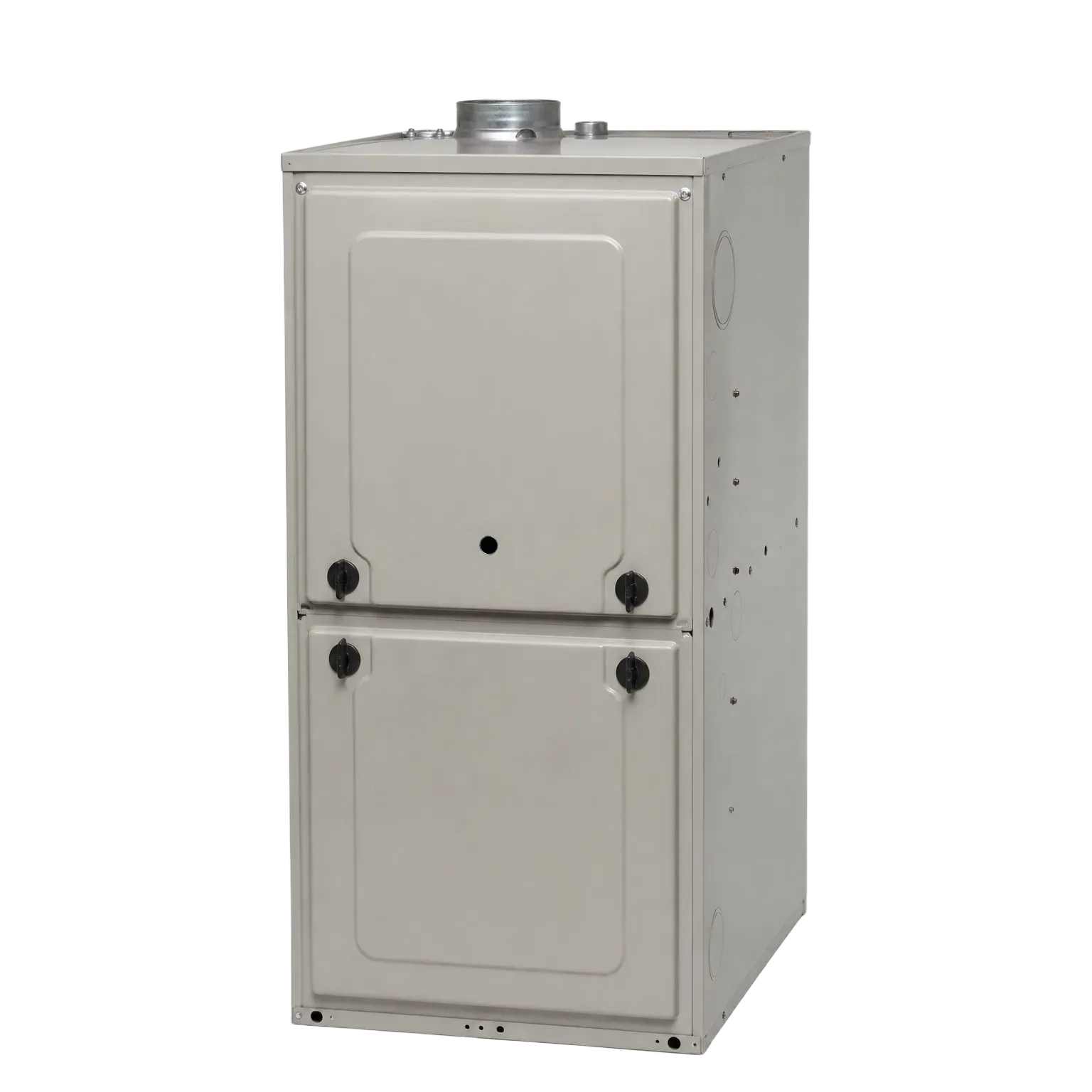
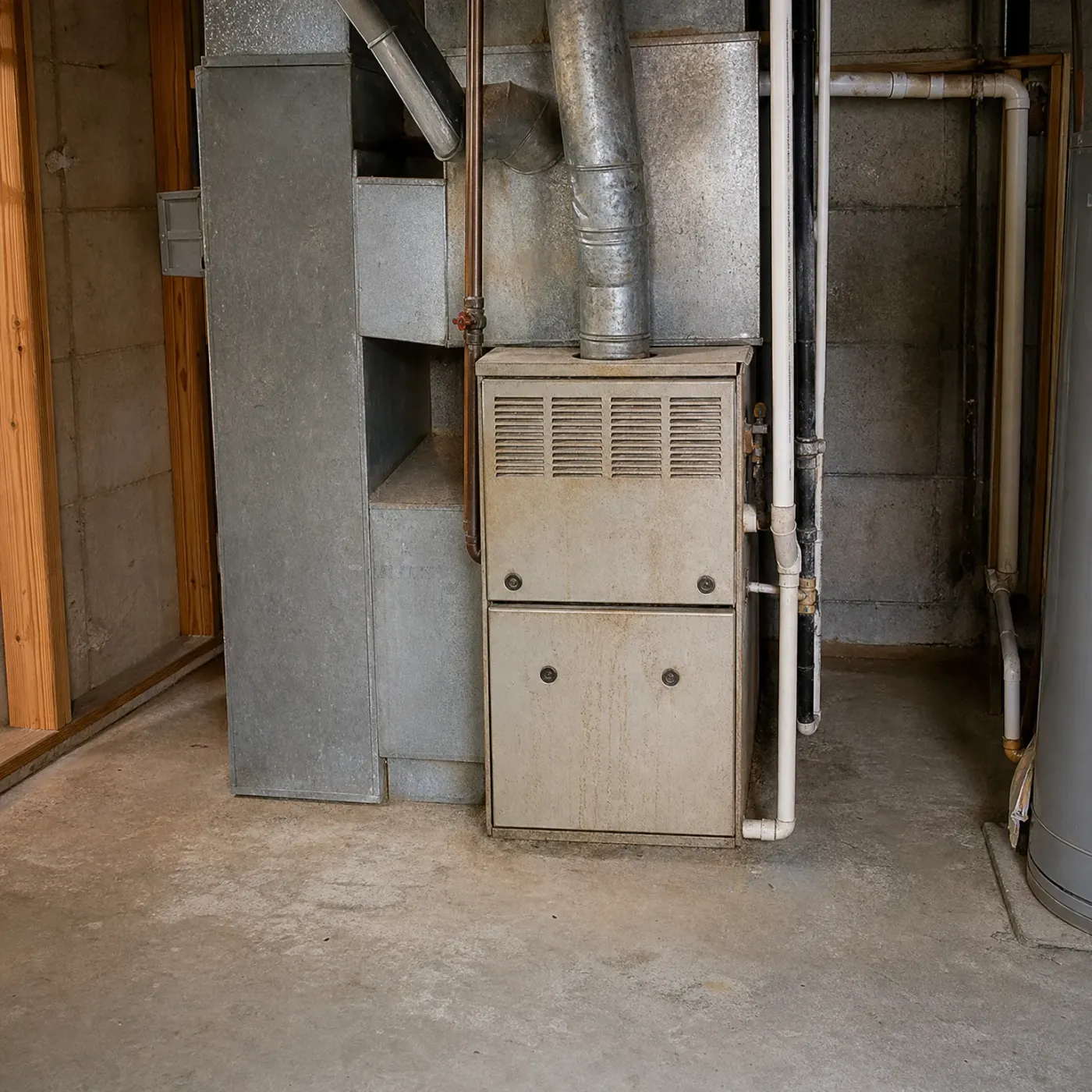
A beige gas furnace with a metal flue pipe stands in a basement against concrete block walls, beside sheet-metal ductwork, copper and white plastic pipes, and a water heater at right.
Before you get your furnace installation
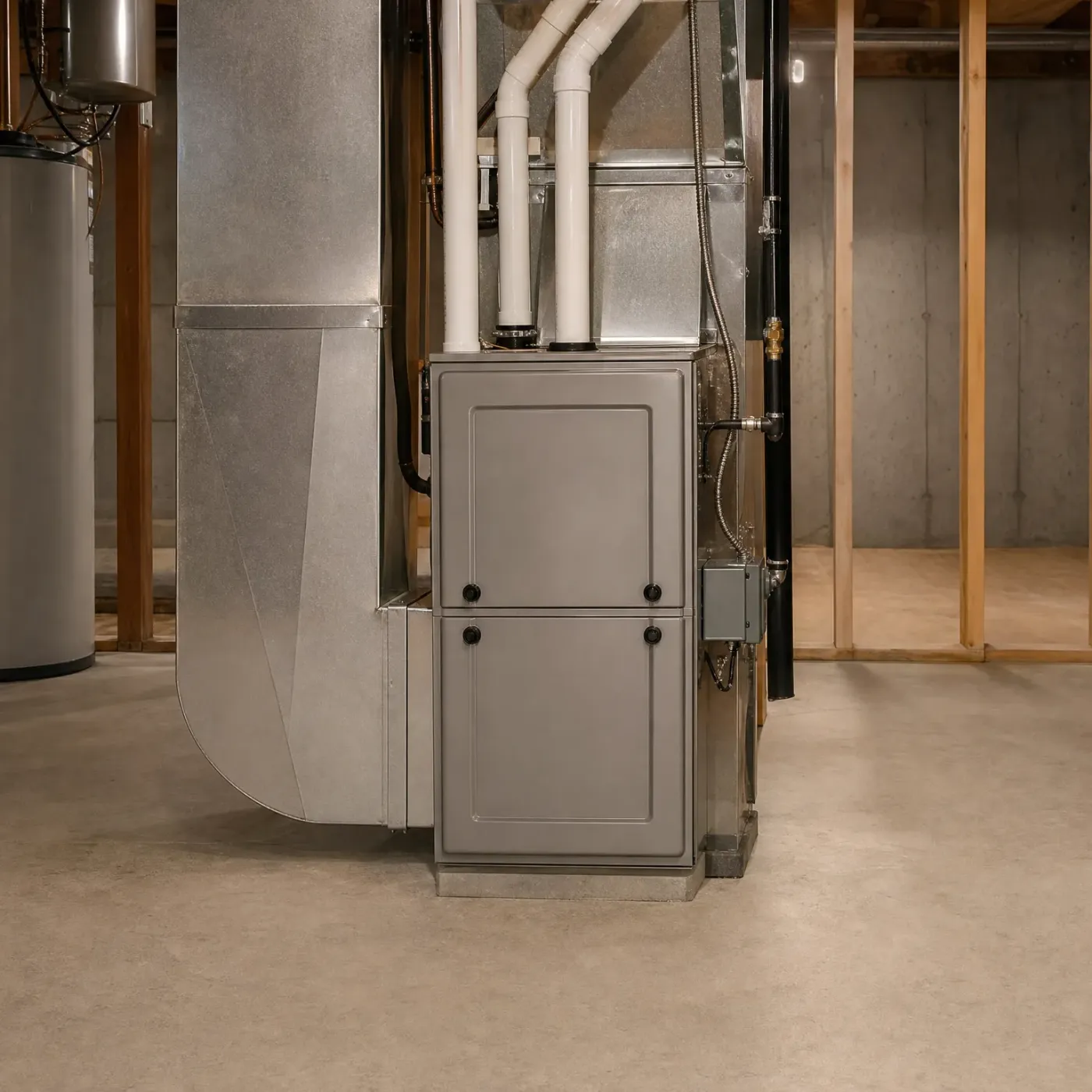
A gray high-efficiency furnace with white PVC vent pipes stands beside sheet-metal ductwork and a water heater in an unfinished basement with concrete walls and wood framing.
After you get your furnace installation

Winter nights average 23°F statewide

A 23 degree night means the burners are on more than they're off, holding the house against a 45 degree gap between outside and your thermostat. An older furnace feels that stretch in its joints long before a part actually fails.

NOAA nClimDiv 1991-2020 county normals weighted by homes

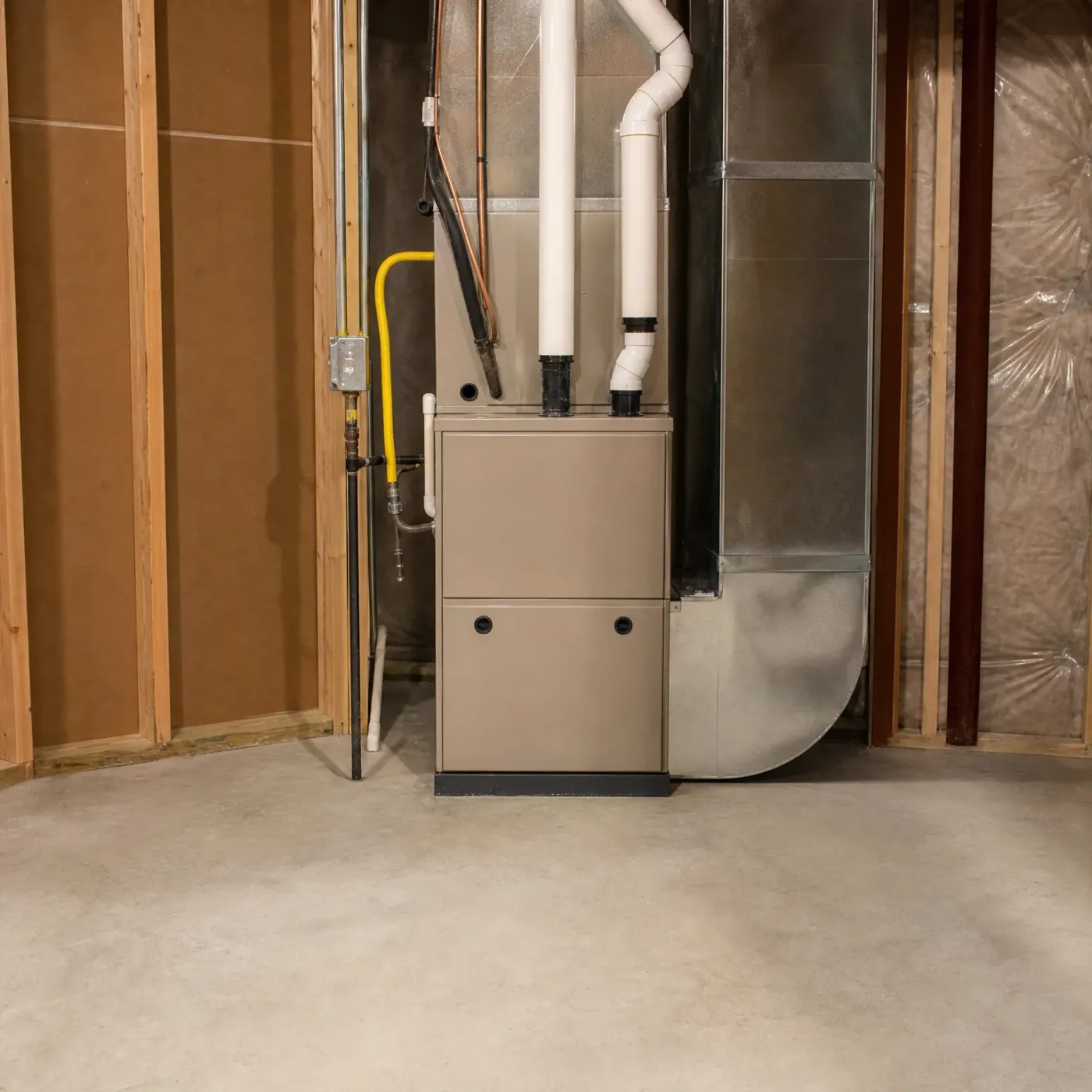
A beige high-efficiency furnace in an unfinished basement, with white PVC vent pipes, a yellow gas line, metal ductwork, and exposed wood framing on a concrete floor.
A furnace like this one lights on the first try and sends steady heat through clean metal ductwork, no strain in the cabinet.
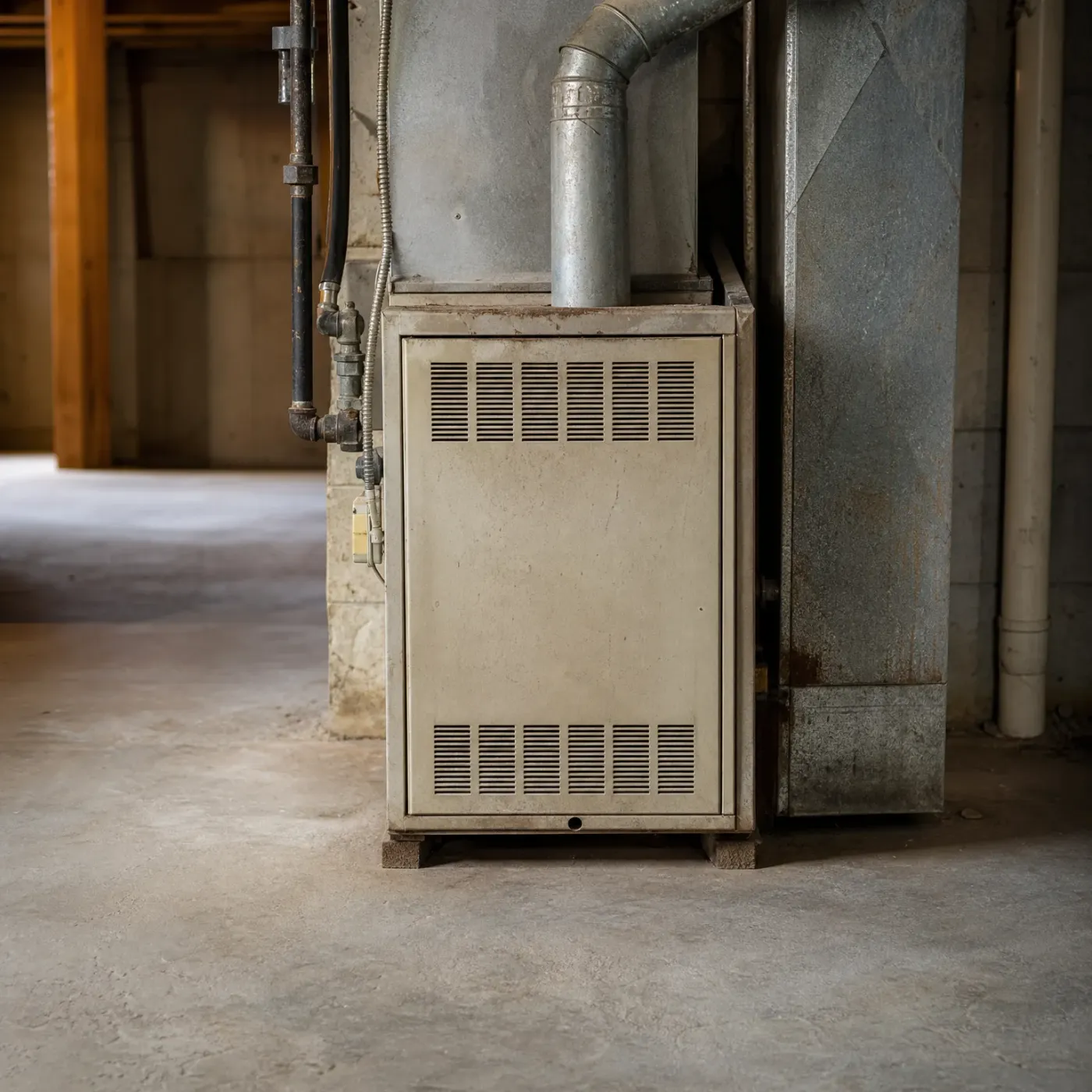
An older beige furnace with two louvered vent panels stands on a concrete basement floor, connected to galvanized ductwork and a metal flue pipe, with gas piping and flexible conduit on the wall behind.
A furnace like this one runs on old iron pipe and patched conduit, carrying heat up through a flue that's seen a lot of winters.
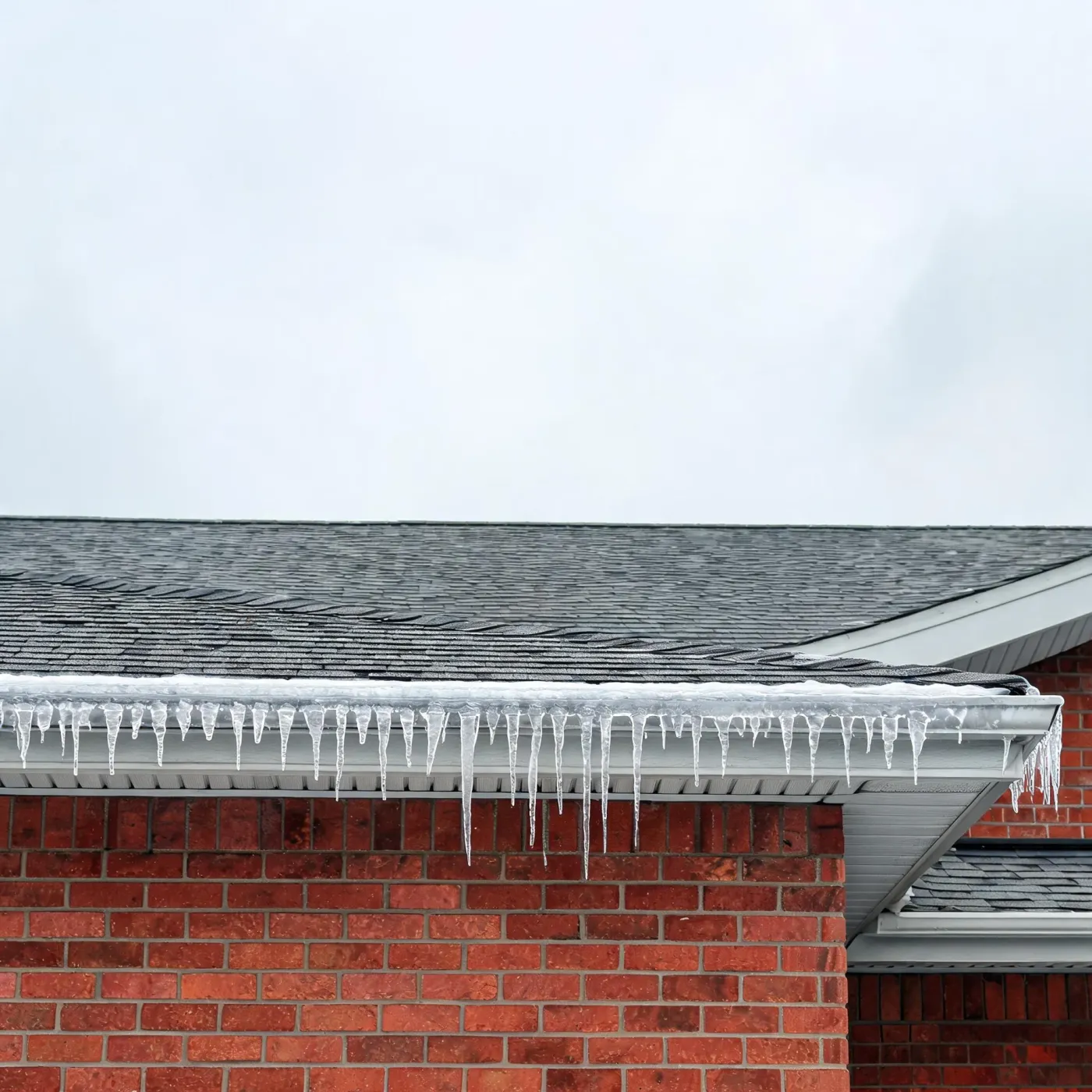
Icicles hanging from a white gutter along the edge of a gray shingled roof on a red brick house, under an overcast sky.

Statewide, winter nights average 23°F, according to NOAA climate data. That means your thermostat is asking the furnace to close a 40-plus degree gap most nights from December through February, and it does that by running longer, not by burning hotter. An older furnace feels that stretch before you do. The blower cycles on for longer stretches to hold the same room temperature, and the burners fire more often to keep up. If your house has a drafty window or a room over the garage, that's where you'll notice it first, cold enough to need a space heater while the rest of the house feels fine.

NOAA nClimDiv 1991-2020 county normals weighted by homes

A gas furnace in Ohio lasts somewhere between 15 and 20 years, and the winters here, 23 degree nights, months of the burners running more than they rest, are what decide where in that range yours falls. The nameplate age matters less than how it's been sounding and how evenly it's been heating the house. If it's lighting slow, running long, and leaving some rooms colder than others, it's telling you where it stands. You don't have to figure out the rest on your own. Once you send the form, the work of finding someone qualified to look at it is off your plate, and that's one less thing to carry into a cold month. A furnace that's earned its years with regular care deserves a straight answer about what's next, and so do you.

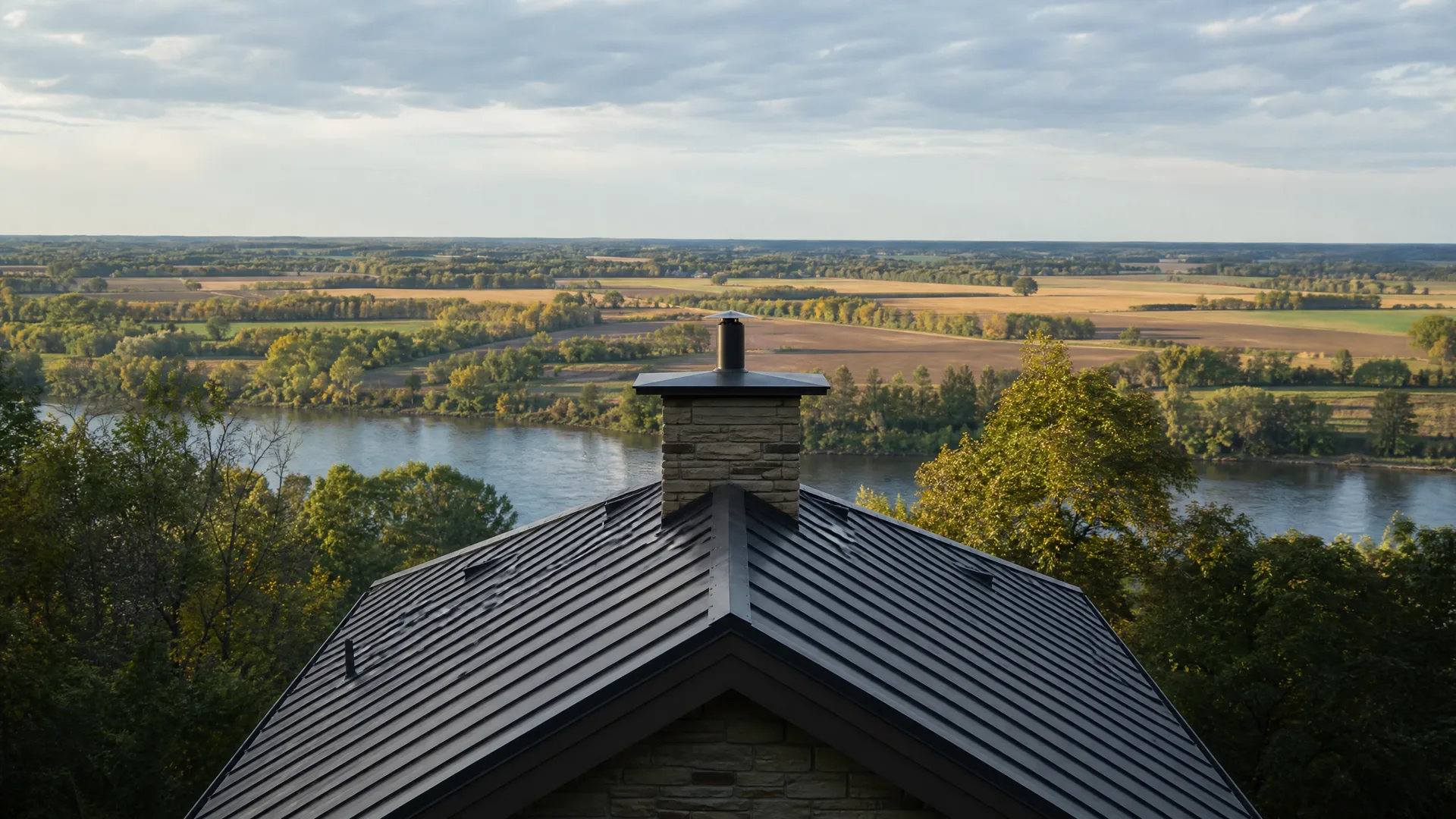
Close view of a dark standing-seam metal roof with a stone chimney and metal flue cap, overlooking a wide river, trees, and flat farmland under a partly cloudy sky.

A pro who works on furnaces

Hand off the search

No charge to send it. You decide if you hire them.

A furnace that's struggling doesn't wait for a convenient time to quit. Getting a replacement lined up before the next cold snap means you're not stuck making a rushed choice in a freezing house. Send the request and let a contractor sort out what your home actually needs.